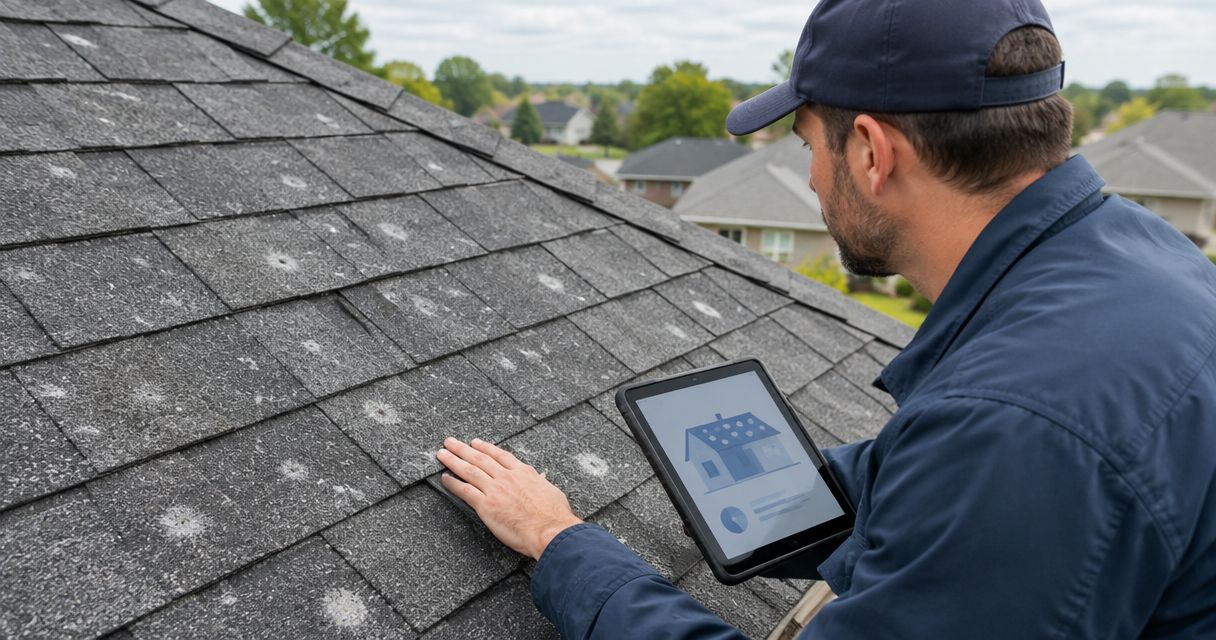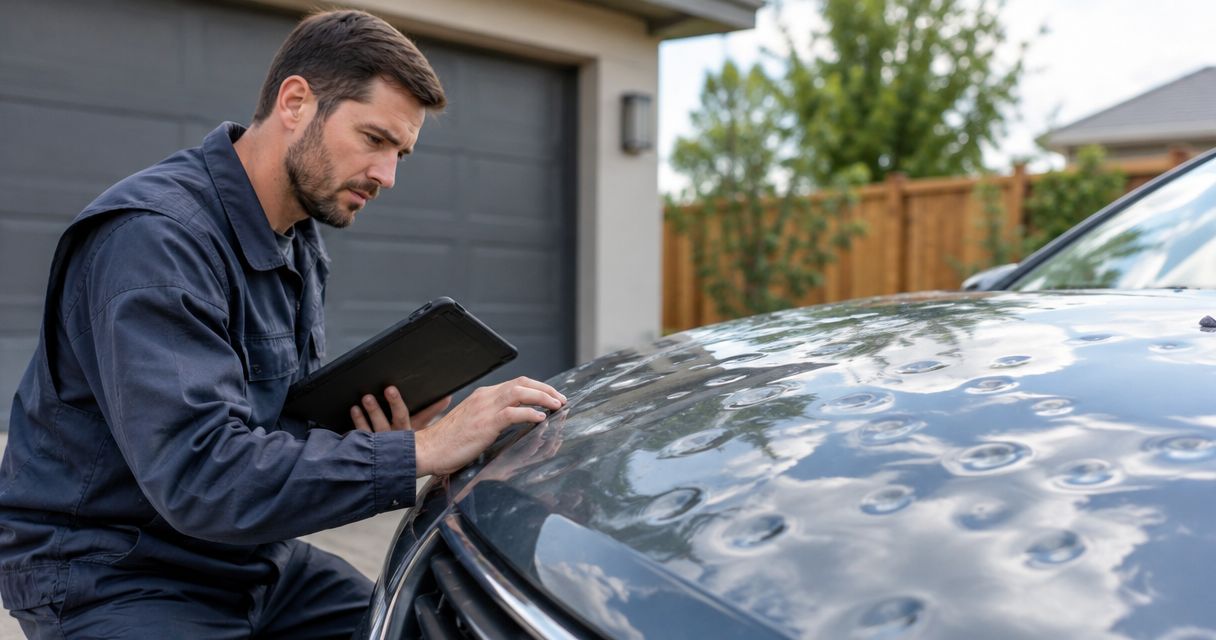
A free roof inspection has no fixed duration: the appointment length depends on the roof, safe access, and whether the visit includes the attic, photographs, and a findings discussion. The time spent at your property is separate from the time needed to prepare a written report, so confirm both before booking in 2026.
- How long does a roof inspection take? Roof access, inspection scope, and reporting requirements determine the schedule.
- When contacting Murray Inspection Services, confirm the inspection scope and report delivery timing before booking.
- A free roof inspection does not automatically include attic access, leak investigation, or a written report.
- Judge the visit by documented findings and disclosed limitations, not speed alone.
How long does a free roof inspection take?
Ask for an appointment estimate tied to your roof and the agreed inspection scope—not a generic time allowance. A roof inspection can involve an exterior review, rooftop observations where safe, an attic review where included, and a discussion of findings. Those activities are different from preparing documentation afterward.
When contacting Murray Inspection Services, describe your roof access, visible concerns, and reason for requesting the visit. Ask which activities the appointment covers and when you should expect any written findings.
Use this scope comparison when discussing a 2026 appointment. These are inspection activities to clarify, not standardized packages or promises about what any provider includes.
| Inspection scope | Best for | What it helps establish | Limitation to clarify |
|---|---|---|---|
| Exterior review | Identifying visible exterior concerns | Observable conditions at accessible roof areas, edges, and drainage points | Does not establish the condition of concealed materials |
| Roof and attic review | Investigating concerns involving both exterior and interior observations | Visible roof conditions alongside accessible attic observations | Finished ceilings, insulation, and restricted access can conceal conditions |
| Focused leak investigation | Examining a reported water-entry problem | Evidence related to a specific symptom or location | The visible stain does not necessarily identify the entry point |
| Inspection with written documentation | Keeping a record for follow-up decisions | Recorded observations, photographs, and stated limitations | Report preparation is separate from the physical visit |
Why this matters
An appointment window tells you when someone expects to arrive; it does not necessarily tell you how long the inspection lasts. A departure time also does not tell you when a report will arrive.
Separate those commitments before arranging work, childcare, tenant access, or a property meeting. The useful scheduling answer covers arrival, on-site work, and documentation separately.
What happens during the inspection appointment?
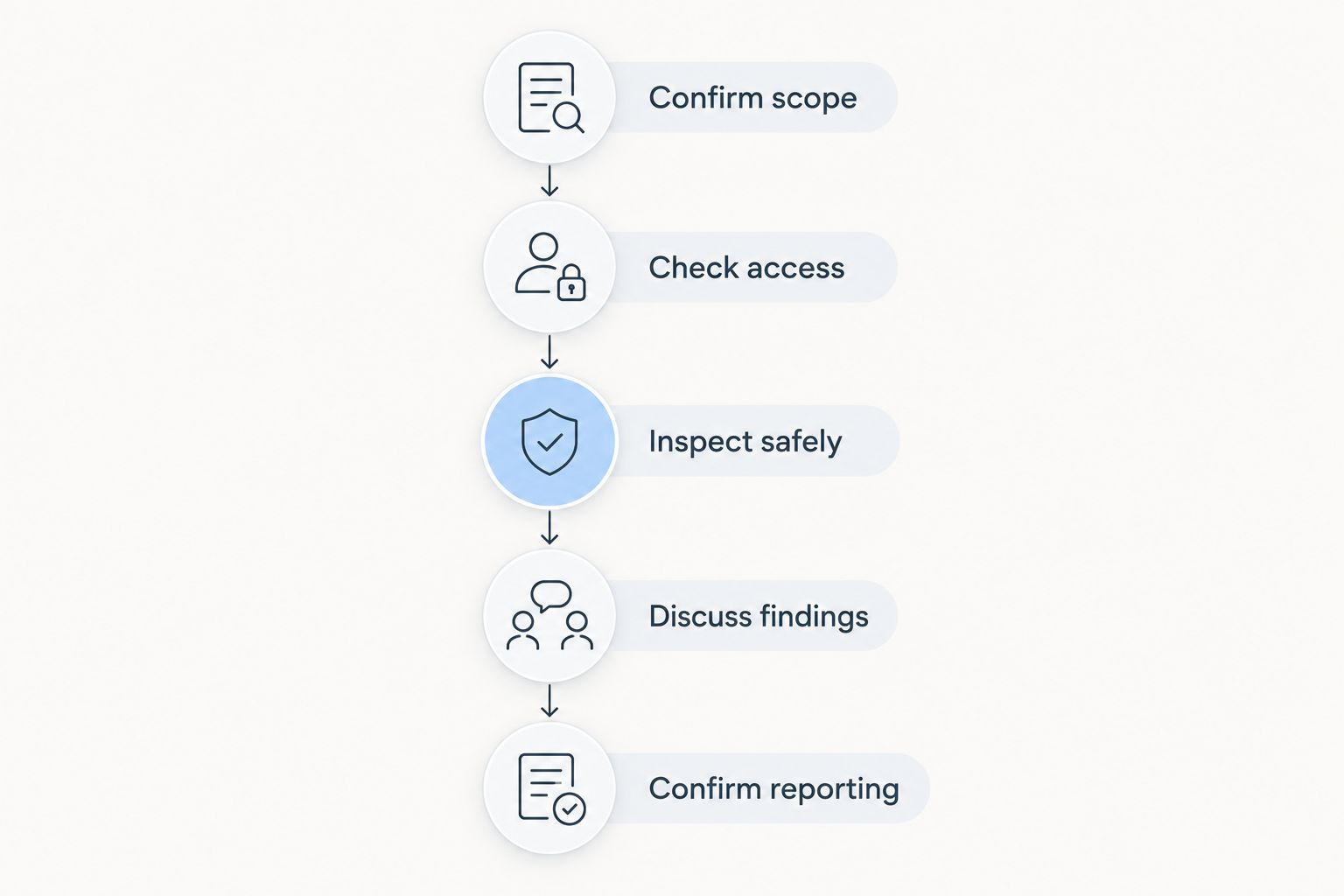
The sequence below gives you a practical way to clarify the work before the visit. The actual inspection method depends on site conditions and the scope you agree with the provider.
1. Confirm scope
Explain why you requested the inspection. A visible ceiling stain, a concern after a storm, and a routine condition review give the inspector different questions to investigate.
Describe what you observed without deciding the cause in advance. Tell the inspector where the concern appears, whether it recurs, and whether you have photographs from an earlier event.
2. Check access
Identify locked gates, restricted areas, pets, and the location of any attic entrance. Ask whether the provider needs you present to open doors or authorize access.
Do not climb onto the roof to prepare for the visit. Keep your preparation to safe, accessible areas and let the inspector assess the inspection method.
3. Inspect safely
The inspector assesses the areas included in the agreed scope using an approach suited to the conditions. Weather, roof condition, and access affect what can be observed safely.
Ask how the inspector records an inaccessible area. A stated limitation is more useful than assuming every surface was examined because an appointment occurred.
4. Discuss findings
Ask the inspector to distinguish observed conditions from suspected causes. A photograph of damaged material documents an observation; an explanation of how water entered requires supporting evidence.
Use this conversation to identify unresolved questions. If a further investigation is recommended, ask what question that work is intended to answer.
5. Confirm reporting
Before the inspector leaves, confirm whether written documentation is included and how it will be delivered. Ask whether the document records inspected areas, photographs, findings, and limitations.
Keep the report deadline separate from any repair proposal. Inspection findings and a proposed scope of repair serve different purposes, even when the same business supplies both.
Exterior-only review: confirm the observation method
An exterior-only review focuses on conditions visible from the exterior through the methods agreed for the appointment. Ask whether the inspector expects to observe the roof from ground level, access the roof where safe, or use another method.
Best for: clarifying visible exterior concerns when that scope matches your purpose. Its limitation is equally important: exterior observations alone do not establish the condition of concealed decking or inaccessible interior areas.
Do not treat the word inspection as a complete scope description. Ask which roof areas, penetrations, edges, and drainage features the provider intends to examine and document.
Roof and attic review: arrange interior access
A roof and attic review adds accessible interior observations to the exterior scope. That can help connect an exterior concern with visible staining, moisture evidence, or conditions around roof penetrations.
Best for: concerns that require both exterior and accessible attic observations. The limitation is visibility: insulation, stored belongings, finished surfaces, and restricted spaces can prevent a complete view.
Ask whether attic access is included before reserving your 2026 appointment. Do not assume an exterior inspection automatically includes entering the home or opening an attic hatch.
Written documentation: agree on delivery separately
A written report requires organizing observations into a usable record. The appointment is not necessarily complete for your purposes when the inspector leaves, especially when another party needs the findings.
Best for: owners who need a record for repair planning, contractor discussions, or a property decision. Its limitation is scope: a report documents the observations and limitations of the inspection, not every concealed condition in the building.
If your next step involves insurance, review the inspection-to-insurance-claim workflow. Keep inspection documentation separate from coverage decisions; an inspection alone does not establish that a claim will be approved.
Why roof inspection time varies
These factors explain why the same appointment allowance does not fit every property. Use them to give the provider enough information for a meaningful scheduling estimate.
- Roof size and layout: Separate roof sections, intersections, and additions create more areas to observe and document than a straightforward layout.
- Access and safety: Restricted entry, difficult roof access, or an unsafe surface changes the inspection approach. Ask what happens if the planned method is not safe.
- Inspection scope: An exterior review, an attic review, and a focused investigation involve different tasks. Confirm which tasks belong to your appointment.
- Reported symptoms: A general condition review differs from tracing evidence associated with a specific leak. Share relevant observations before arrival.
- Weather and surface conditions: Rain, ice, wind, and other unsafe conditions can restrict access. Confirm the provider's rescheduling process rather than assuming the visit will proceed unchanged.
- Documentation requirements: Photographs, explanatory notes, and a findings discussion add work beyond simply viewing the roof. A written report also needs its own delivery commitment.
Match the appointment estimate to the scope, then ask what would change that estimate. For a 2026 booking, that question is more useful than accepting an unexplained duration.
How can you prepare without doing the inspector's work?
Preparation should remove access problems and preserve useful information. It should not involve climbing, lifting roofing materials, disturbing insulation, or attempting a repair before the condition is documented.
Create a short symptom record. Note where you saw staining or dripping, what was happening when you noticed it, and whether the condition has appeared before. Share existing photographs that show a change over time.
Keep accessible routes clear and explain any entry restrictions. If someone else controls a gate, mechanical room, or attic entrance, arrange permission before the appointment rather than trying to resolve it during the visit.
Tell the provider about your decision deadline. A repair discussion, insurance submission, or property transaction can require documentation after the physical inspection, and that dependency belongs in the scheduling conversation.
Finally, have your questions ready. Ask what was inspected, what was not accessible, what evidence supports the findings, and what remains unresolved. Those answers matter more than making the appointment end quickly.
Does a free roof inspection include a written report?
A free roof inspection does not automatically include a written report; the provider's stated scope determines the deliverables. Confirm whether you receive photographs, written findings, a repair proposal, or only a verbal discussion.
For a 2026 appointment, request that clarification before booking. If someone else needs the findings, ask what documentation that person or organization requires rather than assuming any inspection summary will suffice.
Do you need to be home during a roof inspection?
Your presence depends on the access required and the provider's appointment arrangements. An inspection involving an interior discussion or attic entry requires arrangements that an exterior-only visit does not.
Confirm who can authorize entry and how the findings discussion will happen. If you cannot attend, agree on how the inspector will contact you with questions and communicate any access limitations.
Does a longer roof inspection mean a better inspection?
A longer roof inspection does not, by itself, establish better quality. Access problems, a complicated layout, or an expanded scope can all change the time spent on site.
Judge the work by whether the findings identify observed conditions, explain limitations, and distinguish evidence from assumptions. A clear record is a stronger basis for your next decision than elapsed time alone.
FAQ
How long does a roof inspection take if I only need the outside checked?
An exterior-only roof inspection still needs a property-specific time estimate because access, roof layout, and the observation method affect the work. Ask which exterior areas will be examined and whether findings will be documented.
Can I schedule a roof inspection during my lunch break?
Schedule around a confirmed appointment estimate, not an assumed lunch-break window. Tell the provider when you must leave and confirm whether interior access or a findings discussion requires your presence.
Is a free roof inspection the same as a repair estimate?
A roof inspection evaluates conditions within an agreed scope, while a repair estimate proposes work. Ask whether the appointment provides inspection findings, a proposed repair scope, or both.
Will I get the roof inspection report before the inspector leaves?
Confirm report delivery separately; an on-site conversation does not establish when written documentation will arrive. Ask what the report includes and how the provider will deliver it.
Can a roof inspection continue when the roof is wet?
Safe access determines which inspection activities can proceed on a wet roof. The inspector should explain any change in method, inaccessible areas, or need to reschedule.
What should I ask before booking a roof inspection in 2026?
Ask about arrival timing, expected on-site duration, access needs, inspection scope, and report delivery. Also confirm what happens if weather or unsafe conditions prevent the planned inspection.
One last thing
Ask this before the appointment ends: What could you not inspect, and what does that leave unresolved? That question reveals the boundary of the findings without asking you to diagnose the roof yourself.
A report can be useful while still having limitations. Your next move should address the unresolved condition—not simply repeat the same inspection without changing access, scope, or the question being investigated.
Related guides
- Roof inspections for real estate agents
- From roof inspection to contractor bid comparison
- Connecting a roof inspection report to your mortgage closing