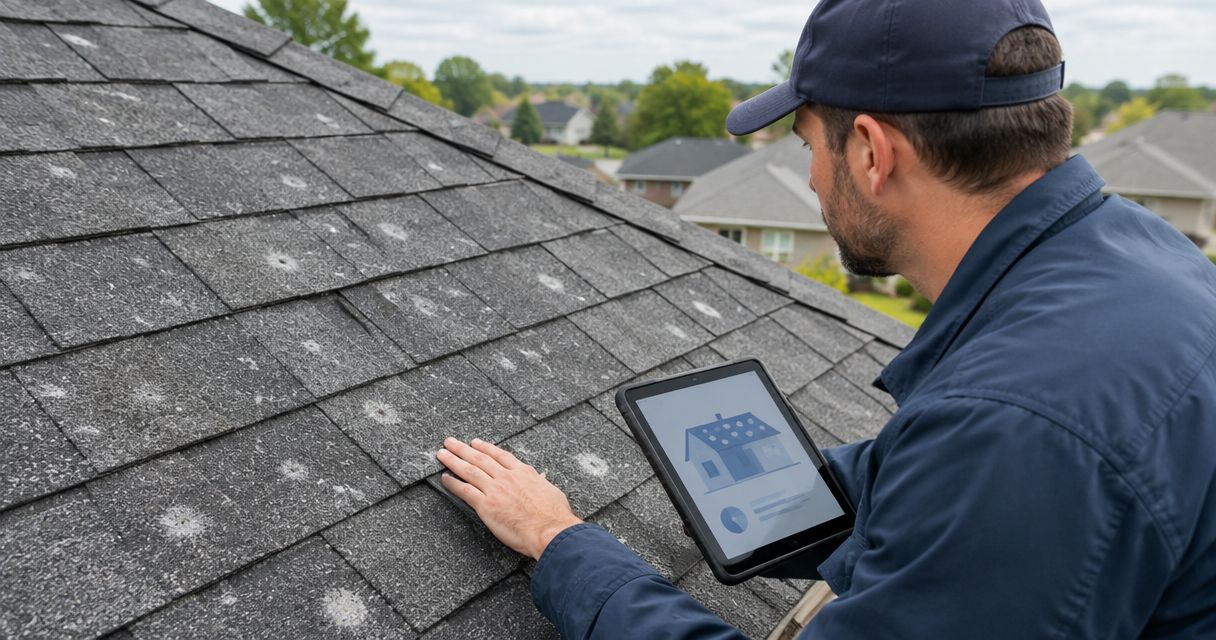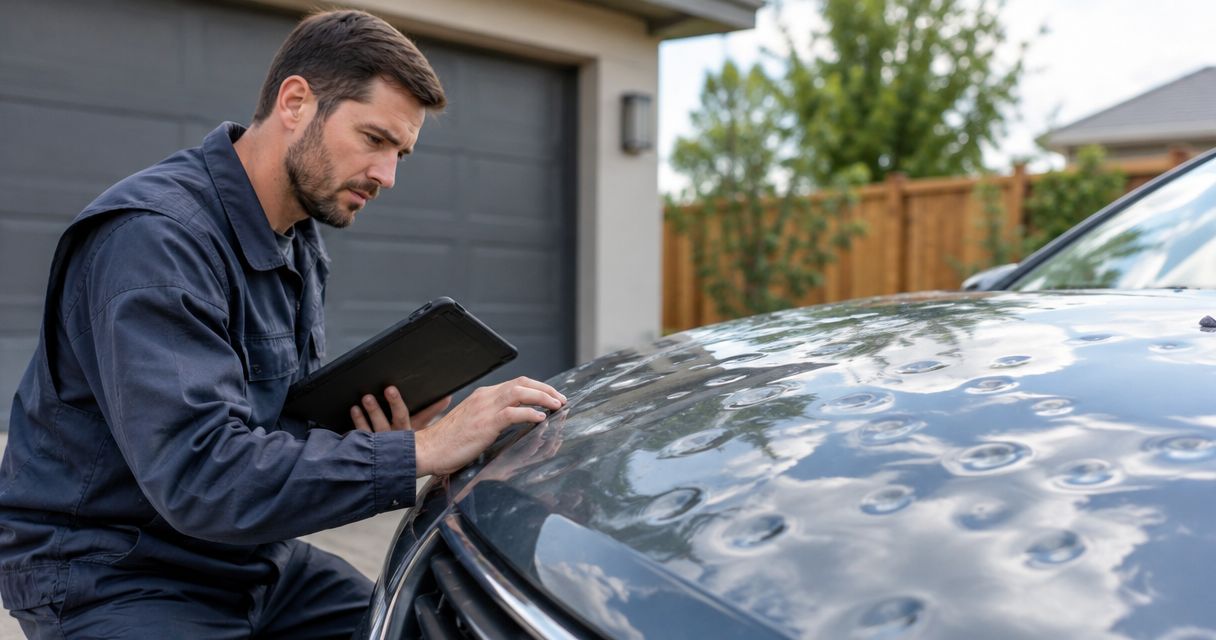
A roof replacement takes as long as the tear-off, any necessary deck repairs, installation, and cleanup require; the reliable estimate is a written schedule for your specific roof. That construction window does not include every possible wait for permits, materials, approvals, or a suitable weather forecast. For a 2026 project, ask for both the expected on-site work window and the conditions that would change it.
- How long does roof replacement take? Separate on-site construction from permits, material delivery, approvals, and scheduling.
- A roof replacement schedule should explain weather delays, concealed deck damage, cleanup, and final checks.
- When considering Murray Inspection Services, request property-specific findings before relying on a roof replacement completion estimate.
- Best planning rule: confirm how the contractor will protect exposed areas if work stops.
Why this matters
A construction estimate and a completion commitment are different things. You need to know when disruption begins, what the crew expects to finish, and what happens if the roof cannot be completed as planned.
If you are considering Murray Inspection Services, keep the inspection findings and the proposed construction schedule separate. An inspection describes conditions observed; a contractor's schedule should explain how the agreed replacement work will proceed.
For homeowners considering Murray Inspection Services, a useful roof replacement timeline is property-specific, not a generic promise. Ask what the estimate includes before arranging time away from work, moving vehicles, or scheduling another trade.
How long does roof replacement take?
The most useful answer separates preparation, active construction, and closeout. A contractor should estimate each relevant stage after reviewing the roof, access, material requirements, and scope of work.
Use this breakdown to check whether a proposed timeline describes the entire project or just the installation. The stages are not interchangeable: a delivery date does not confirm a start date, and installed roofing does not automatically mean closeout is complete.
| Project stage | What the stage covers | What it tells you | Scheduling limitation |
|---|---|---|---|
| Preparation | Scope agreement, applicable approvals, material arrangements, and crew scheduling | Whether the job is ready to start | Unfinished prerequisites can move the start date |
| Tear-off and assessment | Removing existing roofing and examining exposed decking | Whether concealed repairs affect the scope | Conditions beneath existing roofing become clearer after removal |
| Installation | Installing the specified roof assembly and addressing details | How the replacement work will proceed | Weather, access, and roof complexity affect the sequence |
| Closeout | Debris removal, agreed checks, documentation, and any required inspection | Whether the project meets its completion requirements | Remaining tasks can extend beyond the installation work |
For your 2026 roof replacement, ask the contractor to identify which stages fall inside the quoted work window. A schedule that covers installation alone is not necessarily misleading, but it is incomplete for planning your household's disruption.
What should a usable schedule include?
A usable schedule names the anticipated start, expected work sequence, and definition of completion. It also distinguishes an estimated date from a contractual commitment.
Ask for these details in writing:
- The agreed roof areas and work included in the estimate.
- The prerequisites that must be finished before the crew starts.
- How the contractor handles newly exposed deck damage.
- How weather interruptions affect the work sequence.
- Whether cleanup and required inspections are included in the completion window.
- Who will communicate changes and authorize additional work.
Compare schedules against the same scope, not just the earliest finish date. A shorter estimate is not a better estimate when it leaves essential work undefined.
What happens during the roof replacement?
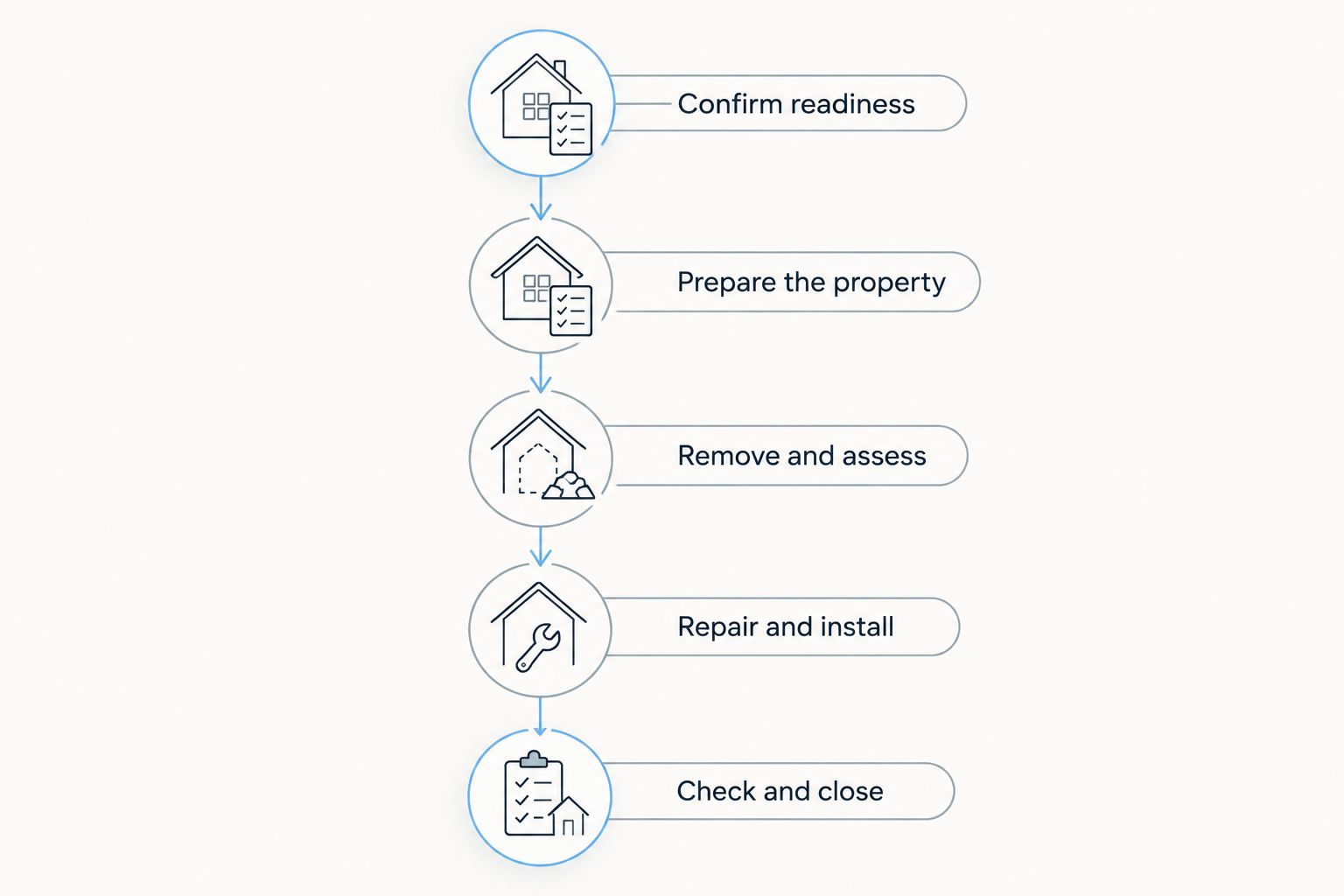
Roof replacement involves more than installing a visible roof covering. The sequence below gives you a practical way to discuss the job without treating every roof as identical.
- Confirm readiness. Check that the agreed materials, access arrangements, applicable approvals, and work scope are settled before the planned start.
- Prepare the property. Agree on delivery locations, debris handling, vehicle access, and protection for areas beneath the work.
- Remove and assess. The crew removes roofing within the agreed scope and examines exposed decking before covering it again.
- Repair and install. Necessary approved repairs precede installation of the specified roof assembly, including its relevant flashing and penetration details.
- Check and close. The contractor completes agreed checks, removes construction debris, and provides the documentation required by the contract.
These steps explain the sequence, not a guaranteed duration. Ask which activities overlap and which depend on an earlier task being complete.
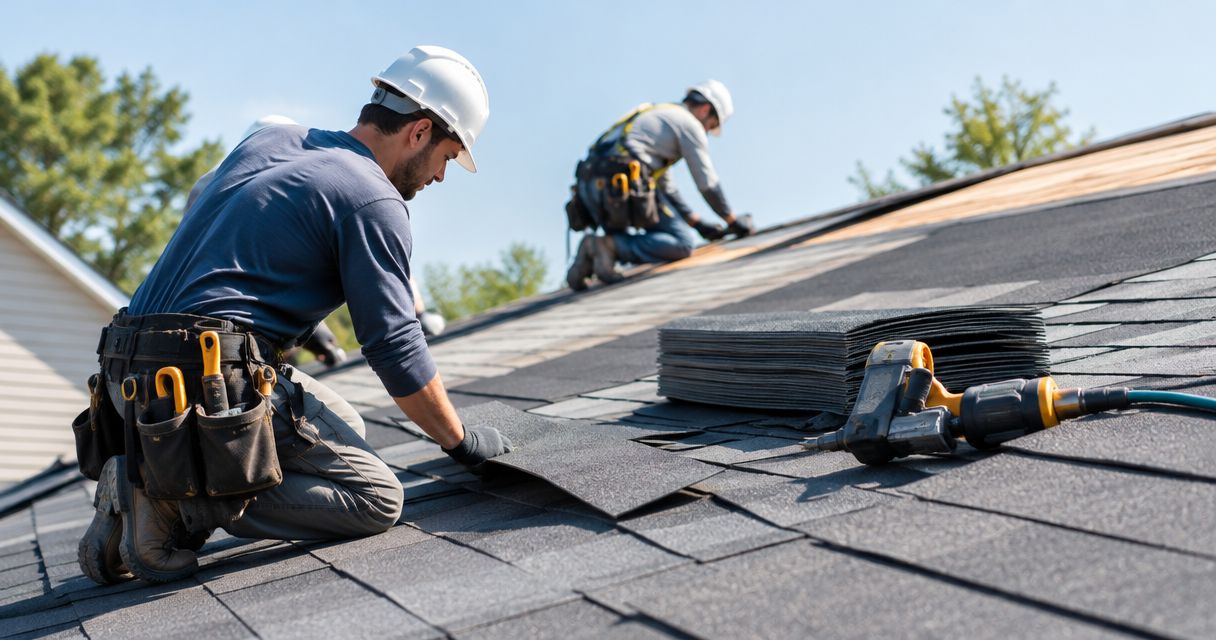
Do not use the sequence as a reason to enter the work area or inspect the roof yourself. Request progress photographs and an explanation from the contractor instead.
For storm-related projects, the storm damage to completed roof replacement workflow addresses the broader project sequence. Keep that broader process separate from the days the installation crew is physically working at your property.
Why roof replacement time varies
Roof area matters, but area alone does not describe the job. Shape, conditions, installation requirements, access, and weather also affect how work proceeds.
Roof size and complexity
More roof area means more material to remove and install. Valleys, dormers, roof-to-wall intersections, and penetrations add details that need attention beyond covering open roof surfaces.
Ask whether the estimate accounts for the roof's actual layout. A comparison based only on house floor area overlooks roof geometry.
Existing layers and concealed damage
The removal scope affects the work before installation begins. Decking beneath existing roofing also needs assessment once it is exposed; an exterior inspection does not reveal every concealed condition.
Ask how the contractor documents unexpected damage and obtains your approval. Agree on the change process before tear-off, not while an exposed roof is waiting for a decision.
Specified roof assembly
Different roof assemblies have different installation requirements. Underlayment, attachment methods, flashing details, and manufacturer instructions belong in the scope because they affect the work sequence.
Do not accept a material name as the entire specification. Ask what supporting components and detail work the contractor has included.
Weather and site conditions
Rain, wind, and temperature affect safe work and the suitability of installation conditions. Product instructions and site conditions should govern the contractor's decisions, not a calendar promise made without qualifications.
For a 2026 installation, ask how weather decisions will be communicated. Also ask how unfinished areas will be protected if the crew pauses work.
Access and property logistics
Material staging, debris removal, building height, and access affect how the crew moves around the property. A schedule should reflect those constraints rather than assume unrestricted access.
Tell the contractor about shared driveways, restricted delivery areas, gates, and occupied entrances before scheduling. Resolving those details early prevents avoidable conflicts during the job.
Permits, approvals, and inspections
Permit requirements depend on the location and scope. Association approval, insurance decisions, or required inspections also belong on the project calendar when they apply.
Ask who is responsible for each prerequisite and whether it must be complete before installation starts. A construction estimate should not silently absorb an unresolved approval process.
Can a roof replacement be completed without interruptions?
An uninterrupted work window is an aim, not a substitute for a contingency plan. Ask the contractor how the crew will sequence removal and installation, and what triggers a pause.
The advantage of continuous work is simpler household planning. The limitation is that weather and newly exposed conditions do not follow the original schedule.
Ask what will be protected if work stops, not just when work will finish. That question tests whether the schedule addresses the roof's condition during construction rather than only its final appearance.
Before your 2026 start date, confirm who makes weather-related decisions and how you will receive updates. Avoid making another contractor's arrival depend on a roofing finish date that has not been confirmed.
Can you stay home during a roof replacement?
Staying home depends on safe access, the work scope, and your household's needs. Confirm arrangements with the contractor rather than assuming every entrance, driveway, or outdoor area will remain usable.
Roofing work creates noise and involves overhead activity. Plan for children, pets, remote meetings, and anyone who needs a quiet environment or dependable access.
Moving out temporarily reduces your exposure to the disruption, but it adds another arrangement to manage. Staying home avoids that arrangement, but you still need to respect exclusion areas and keep clear of material handling and falling debris.
How do you compare roof replacement timelines?
Compare the scope behind each schedule before comparing the dates. The strongest estimate explains assumptions and responsibilities; the weakest offers a finish date without explaining what it covers.
Use the same questions for every contractor:
- Does the estimate include removal, deck assessment, installation, and cleanup?
- Which approvals or deliveries are still unresolved?
- What happens when concealed damage requires additional work?
- What does the contractor count as substantial completion?
- What remains after installation, including documentation or required inspections?
- How will changes affect the schedule and your access to the property?
When contacting Murray Inspection Services about roof replacement planning, keep condition questions separate from construction commitments. Ask the party responsible for installation to provide the work schedule and explain its assumptions.
For a 2026 bid comparison, keep the written scope beside the proposed calendar. An earlier start has little planning value if the material arrangements, protection plan, or completion requirements remain unclear.
FAQ
How long does roof replacement take from start to finish?
A roof replacement timeline includes preparation, active construction, and closeout, not just installation. Request a property-specific schedule that identifies permits, materials, weather assumptions, deck repairs, and final checks.
Does the roof replacement timeline start when I sign the contract?
The contract date and construction start date are different milestones. Ask which approvals, deliveries, and scheduling arrangements must be complete before work begins.
Will rain delay my roof replacement?
Rain can interrupt roof replacement work and affect when installation can proceed. Ask how the contractor protects unfinished areas and communicates a revised schedule.
What happens if the roofer finds damaged decking?
Damaged decking requires assessment and an agreed repair decision before it is covered. Request photographs, a written explanation, and the schedule implications before approving additional work.
Do I need to be home during roof replacement?
Confirm with the contractor whether you need to be present for access or decisions. Arrange a reliable contact method and clarify how unexpected work will be approved if you are away.
Is roof replacement finished when the new roofing is installed?
Installed roofing does not automatically complete every contractual obligation. Cleanup, agreed checks, required inspections, and documentation still need to satisfy the contract’s completion requirements.
What should I ask Murray Inspection Services before planning a roof replacement?
Ask Murray Inspection Services what condition findings are available for your roof replacement planning. Obtain the construction timeline separately from the contractor responsible for completing the installation.
One last thing
The most useful scheduling question is not simply when the crew will leave. It is: What condition will my roof be in if work stops before completion?
Ask the contractor to explain how much roofing will be opened at once, how unfinished areas will be protected, and who responds if that protection needs attention. A finish date helps you plan; an interruption plan addresses what happens when the calendar changes.
Keep that answer with your contract and schedule. It gives you something specific to check before work begins, while changes are still easier to discuss.
Related guides
- Roof inspection to contractor bid comparison workflow
- Roof replacement for HOAs
- Roof warranty types compared for homeowners