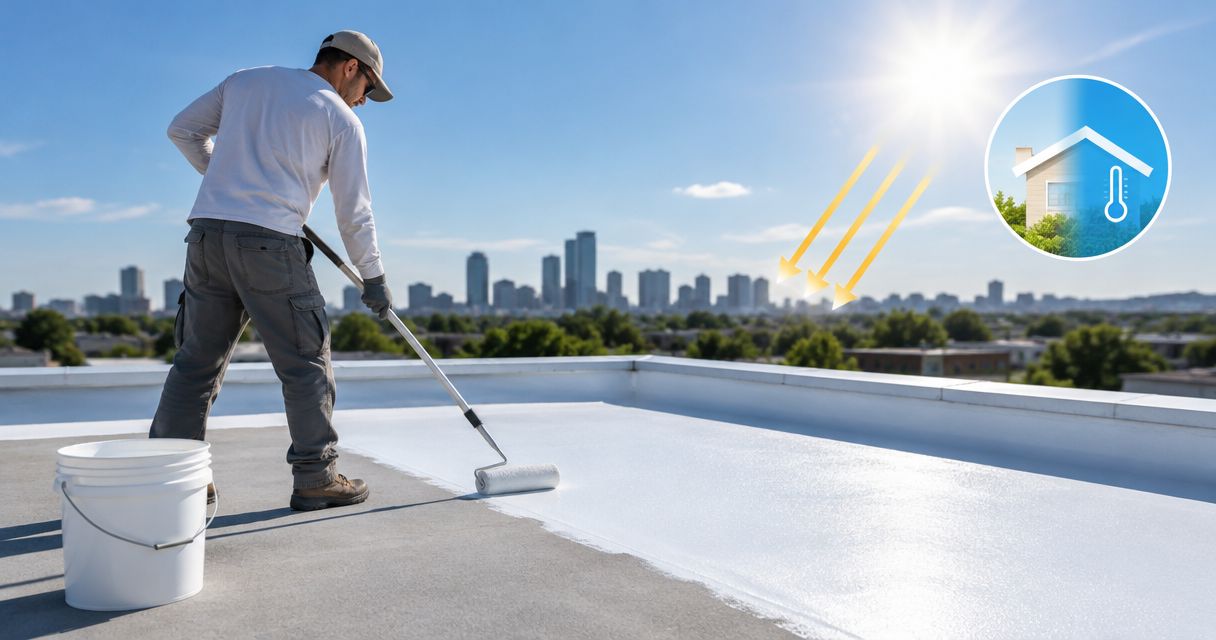
A small roof leak needs prompt professional assessment, not a wait-and-see approach. Stop using any area with a sagging ceiling or water near electrical equipment, and report the leak even if the dripping stops; the visible spot does not show how much moisture is concealed above it.
- Can a small roof leak wait? Do not postpone assessment just because the drip stops.
- Keep people away from sagging ceilings and water near electrical equipment; do not climb onto a wet roof.
- Murray Roofing offers roof leak inspections for Lincoln and Omaha homeowners and commercial property decision-makers.
- Choose repair or replacement after inspection, not from the size of an interior stain.
Can a small roof leak wait or does it need repair right away?
Arrange an inspection promptly; the permanent repair schedule depends on safety, weather, and the roof’s condition. A small drip without an immediate safety hazard is different from water entering a light fixture, but neither should be ignored.
Use the following sequence when you discover a leak:
- Check for danger from a safe location. Keep people out of areas with a bulging ceiling, falling material, or water around electrical fixtures. Do not touch wet electrical equipment or enter standing water near it.
- Protect belongings without taking risks. Move furniture, inventory, and electronics away from the affected area only when you can do so safely. Do not stand beneath a damaged ceiling.
- Record what you can see. Photograph the stain or dripping from a safe position. Note when it appeared and whether rain, snowmelt, or wind accompanied it.
- Contact a roofing contractor. Explain the symptoms and ask whether immediate protective work is necessary before permanent repair.
- Confirm the repair plan. Request an explanation of the entry point, affected materials, proposed work, and any conditions that prevent safe access.
Prompt action does not mean someone should climb onto a roof during unsafe weather. The guide to roof repair in rain or wet weather explains that distinction.
Why this matters
A ceiling stain is evidence of moisture, not a measurement of roof damage. Water can travel along framing or other surfaces before appearing indoors, so the stain and the exterior entry point are not necessarily aligned.
For Lincoln and Omaha property owners in 2026, the useful question is not whether the spot looks small. It is whether water is still entering, what has become wet, and what work will stop the source.
Waiting for another storm leaves those questions unanswered. An inspection gives you a basis for deciding between a targeted repair, further investigation, or a broader roofing project.
Which response fits the leak?
Choose the response by the hazard and inspection findings, not by the number of drops. The table separates immediate safety concerns from repair scheduling; it does not establish a safe waiting period.
| Response | Best for | Benefit | Limitation |
|---|---|---|---|
| Immediate safety response | Sagging ceilings, falling material, or water near electrical equipment | Keeps people away from an immediate hazard | Does not identify or repair the roof defect |
| Prompt roof inspection | New stains, active drips, or recurring moisture without an obvious immediate hazard | Establishes the source and repair needs | Concealed conditions can require further investigation |
| Scheduled permanent repair | A leak already assessed, with protective measures addressed where necessary | Allows work to match roof conditions and safe access | Requires a defined plan; an appointment alone does not stop water entry |
A leak that stops when the rain stops has not demonstrated that it is fixed. Likewise, an old stain does not prove an active leak; inspection helps distinguish an unresolved problem from evidence of a past event.
What counts as an urgent safety concern?
A ceiling that is sagging, bulging, shedding material, or allowing water into electrical fixtures calls for keeping people away. Contact the appropriate emergency service or qualified professional when there is an immediate electrical or structural danger.
Do not puncture a swollen ceiling, enter an unsafe attic, or walk onto the roof to investigate. Those actions add hazards without establishing the full condition of the assembly.
Why the urgency of a small roof leak varies
The same visible drip can have different implications depending on where the water goes and what it affects. Tell the contractor about these factors rather than describing the leak only as “small.”
- Active water entry: Ongoing dripping or a spreading stain means moisture is still reaching the interior.
- Ceiling condition: Sagging, bulging, or loose material changes the safety response, regardless of the stain’s size.
- Electrical exposure: Water near fixtures, wiring, or equipment creates a separate safety concern requiring qualified attention.
- Leak history: A returning stain or repeated patching calls for investigating whether the source was correctly identified.
- Weather and access: Rain, ice, wind, and a wet roof affect whether inspection or exterior work can proceed safely.
- Building use: Water above occupied rooms, stored goods, or essential equipment changes how you protect the space while arranging roofing work.
These factors help set priorities. They do not replace an inspection or support a promise that a leak can safely wait a particular number of days.
What should you tell the roofer?
Describe observations, not a diagnosis. “Water appeared beside the upstairs light during rain” is more useful than assuming a particular shingle or flashing detail failed.
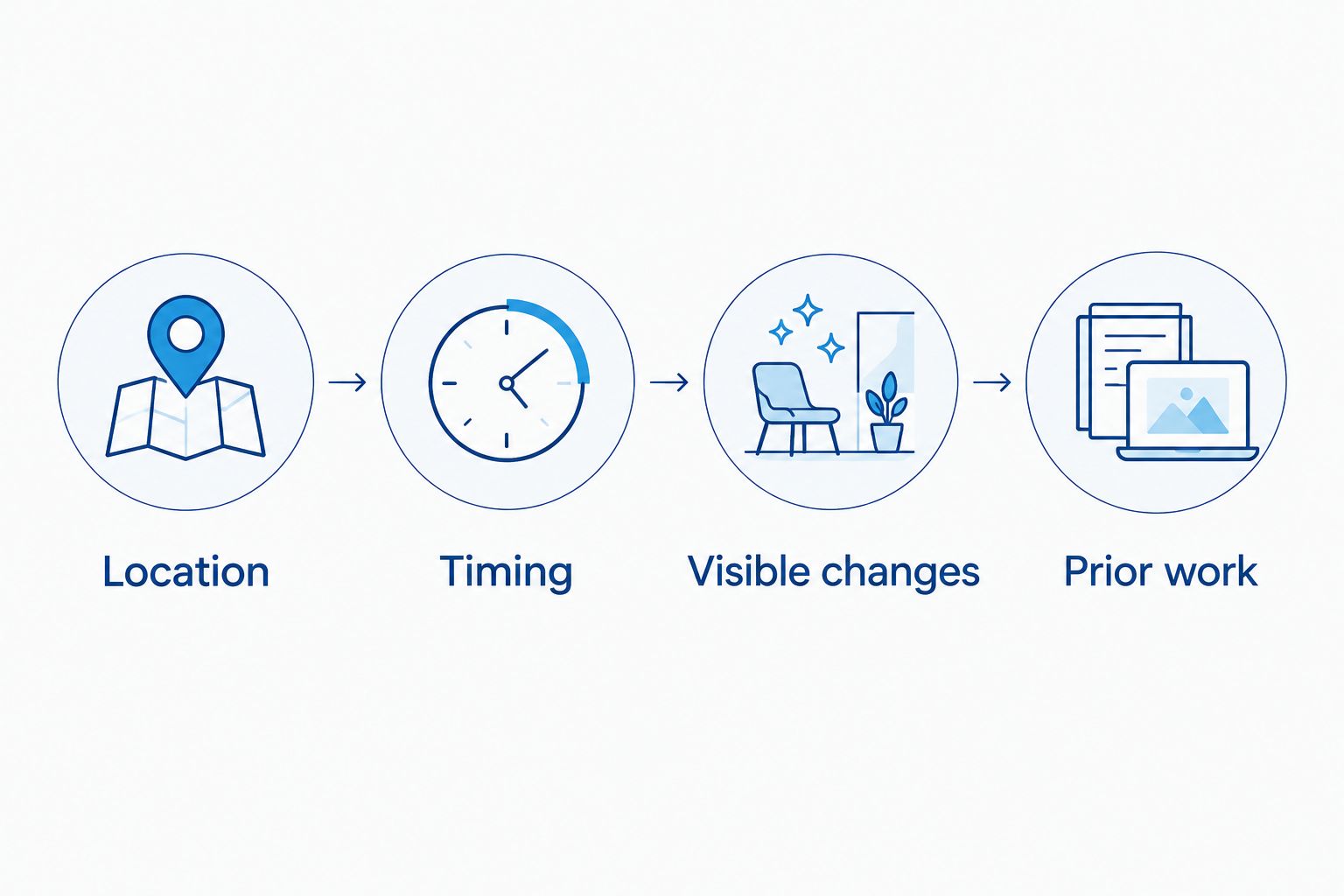
Prepare a short record using these headings:
- Location: Identify the room, floor, or commercial unit affected.
- Timing: Note when you first saw moisture and whether it returned.
- Visible changes: Describe dripping, stain growth, ceiling movement, or affected belongings.
- Prior work: Share earlier repair records, roof documents, and photographs if you have them.
Keep dated photographs with your 2026 property maintenance records. Take follow-up pictures from the same safe location so changes are easier to explain.
The contractor also needs to know whether occupants can safely use the space. A property manager should identify the person authorized to approve access and work, while a homeowner should explain any access restrictions before the appointment.
Does a small leak mean you need a full roof replacement?
A small leak alone does not establish a need for replacement. A localized defect can support a targeted repair when surrounding materials remain suitable; widespread deterioration or recurring failures require a broader assessment.
Ask the contractor to separate the leak source from the condition of the rest of the roof. You need to know what failed, what became wet, and why the recommended scope addresses those findings.
A repair addresses a defined problem without replacing unaffected roofing, but it does not renew the entire roof. Replacement addresses a larger roofing scope, but an interior stain alone is not enough evidence to justify it.
Before approving a major project, compare the findings behind repairing a roof versus replacing it completely. Request a written explanation rather than choosing solely from the size of the proposed job.
What should a written repair scope explain?
A useful scope identifies the area being addressed, the work included, and how additional concealed damage will be handled if discovered. It should also distinguish roofing work from interior restoration.
Ask who is responsible for assessing wet insulation, damaged ceiling materials, or electrical exposure. Stopping exterior water entry and restoring the interior are connected tasks, but they are not automatically the same service.
What changes for a commercial roof leak?
Commercial properties need the same prompt assessment, plus a plan for occupants and operations. That applies equally to offices, apartments, restaurants, warehouses, churches, and other commercial buildings.
Keep people away from the affected area and notify the responsible property contact. Protect inventory and equipment only when safe, and avoid moving operations into another area that shows moisture or ceiling damage.
For a commercial leak reported in 2026, document both the building symptoms and the operational impact. Record affected units or rooms, restricted areas, and who received the report; do not assume a tenant’s description identifies the exterior leak source.
One visible leak does not establish the condition of an entire commercial roof. Ask whether the inspection findings support a localized repair or further evaluation of the roofing assembly, drainage, and affected materials.
Can you wait until the next rain to check it?
Do not use the next rain as the first diagnostic step. A dry ceiling between storms does not establish that the entry point has been corrected.
Report the existing evidence now. After completed work, follow the contractor’s instructions for monitoring the area and reporting renewed moisture; monitoring is a check on the repair, not a substitute for one.
Should you wait for insurance before reporting the leak?
Report the leak and address immediate safety concerns while you review your policy requirements. Photograph conditions from a safe location, retain records, and ask the insurer what documentation and mitigation steps it requires.
Coverage depends on the policy and circumstances. A roofing inspection can document conditions, but a contractor cannot guarantee that an insurer will cover the work.
Who should assess a roof leak in Lincoln or Omaha?
Murray Roofing serves Lincoln and Omaha homeowners and businesses needing roof leak inspection and repair. The contractor provides residential and commercial roofing services, free inspections, insurance-claim support, and financing.
An inspection is a starting point, not a promise that every concealed condition will be visible immediately. Financing also does not determine whether repair or replacement is technically necessary; the findings should determine the scope first.
If an inspection leads to a replacement proposal in 2026, ask which warranty applies to that specific project. Murray Roofing’s stated warranty offerings include a 50-year Golden Pledge warranty and a 10-year labor warranty; confirm the applicable coverage, terms, and exclusions rather than assuming either covers an existing leak.
FAQ
Can a small roof leak wait if it only leaks during heavy rain?
A small roof leak should receive prompt assessment even if it appears only during heavy rain. The dry period does not establish that the entry point is repaired or that concealed materials are dry.
Is a small ceiling stain always a roof leak?
A small ceiling stain is not always a roof leak. Plumbing leaks and condensation can also cause moisture, so the source needs to be identified before roofing work is approved.
Do I need to leave the room if my ceiling is leaking?
Keep out of the affected area if the ceiling sags, bulges, sheds material, or leaks near electrical equipment. Do not touch wet fixtures or stand beneath damaged ceiling materials.
Can a roofer permanently repair a leak while it is raining?
Permanent repair depends on safe access, weather, roof condition, and the work required. Ask the contractor whether protective measures are needed before permanent work can proceed.
Does one roof leak mean the whole roof needs replacing?
One roof leak does not establish that the whole roof needs replacing. The decision should follow an assessment of the defect, surrounding materials, leak history, and overall roof condition.
Does Murray Roofing inspect residential and commercial roof leaks?
Murray Roofing provides residential and commercial roof inspections and repairs in Lincoln and Omaha. Explain the leak location, visible symptoms, and any immediate safety concerns when requesting an inspection.
One last thing
Do not repaint a water stain as your first response. Establish the source, complete the necessary work, and confirm that affected materials have been addressed before concealing the evidence.
For your 2026 maintenance file, keep the original photographs, inspection findings, repair scope, and completion records together. That record is more useful than trying to remember whether a stain was present before the last storm.
Related guides
- Can a leaking roof cause mold in your attic?
- Is it cheaper to repair or replace a commercial roof?
- How long does a roof inspection take?
Schedule a free inspection with Murray Roofing to identify the leak source and get a price for the recommended work.
Schedule your roof inspection
Request a free inspection for your Lincoln or Omaha home or commercial property.