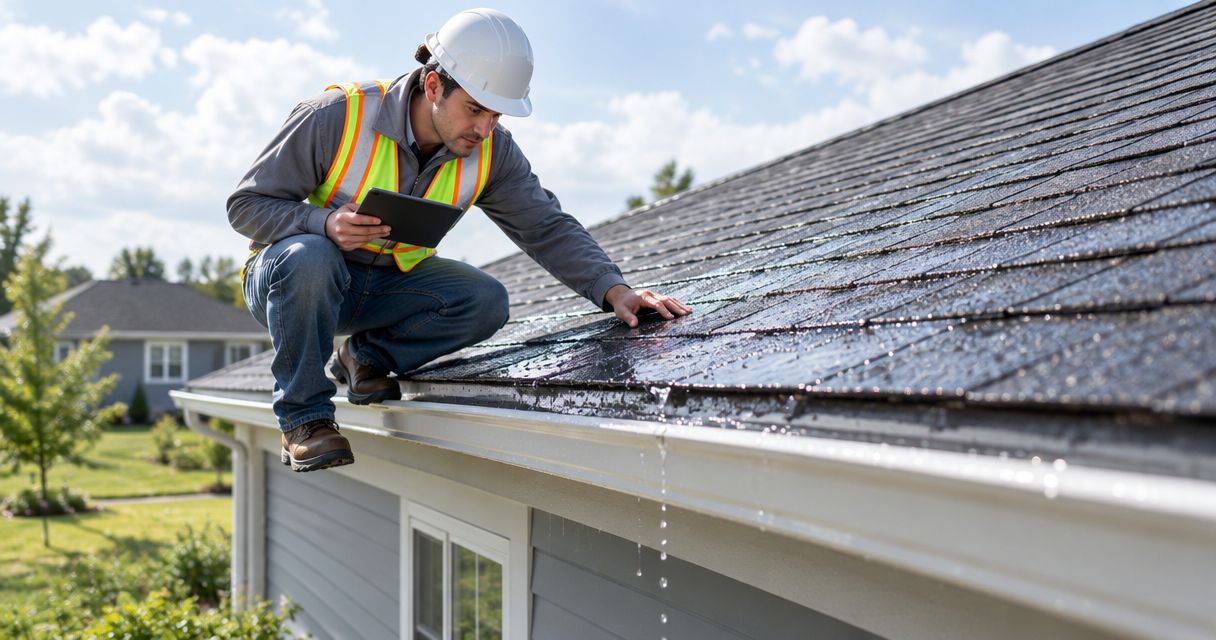

Yes, a roof replacement can affect your property tax assessment, but a new roof does not automatically trigger a higher tax bill. The effect depends on local assessment rules, the property's recorded condition, and whether the work restores an existing roof or adds a substantial improvement. For Lincoln and Omaha owners planning a replacement in 2026, the right next step is to give the county assessor the proposed scope and ask how that work will be treated.
- Can a roof replacement affect your property tax assessment? Yes, but a higher assessment is not automatic.
- Lincoln and Omaha owners should ask their county assessor about replacement work before assuming a tax increase.
- Separate roof replacement from additions or structural changes when documenting the project.
- Murray Roofing provides residential and commercial roof replacement in Lincoln and Omaha; tax determinations belong to the assessor.
Can a roof replacement affect your property tax assessment?
A roof replacement can influence assessed value without adding the full project expense to that value. Construction expense and taxable property value are different measures. An assessor evaluates the property under applicable valuation rules, not simply by adding your roofing invoice to the assessment.
Nebraska Revised Statutes § 77-112 defines actual value using the property's market value in the ordinary course of trade. Section 77-201 generally requires nonexempt residential and commercial real property to be assessed at 100% of actual value. Those rules do not establish a roof-specific increase for every replacement.
Before comparing roofing services, separate the work you need from any optional changes. A replacement that preserves the existing building is a different project from one that also adds finished space or changes the roof structure.
| Project scope | What the work accomplishes | Assessment question to ask |
|---|---|---|
| Like-for-like replacement | Replaces worn roofing without changing the building's size or use | Is this treated as maintenance, restoration, or a change affecting value? |
| Material upgrade | Changes the roofing material or system | Does the upgrade affect the property's recorded quality or market value? |
| Replacement with structural changes | Changes the roof framing, shape, or related building features | Which changes need to be reflected in the property record? |
| Replacement with an addition | Includes new building area or usable space | How will the addition and roof work be evaluated separately? |
These are questions for the assessor, not promises of a particular tax result. Do not assume that either the word replacement or the word repair settles the assessment treatment.
Why this matters before you sign a roofing contract
A roof project affects your building budget immediately. A property assessment concerns the value assigned to the property, while the final tax bill also depends on applicable levies and exemptions.
That distinction prevents a common budgeting mistake: treating a possible assessment change as a confirmed tax increase. It also prevents the opposite mistake—assuming that restoring a deteriorated roof can never affect value.
For a 2026 project, keep the contractor's scope and the assessor's explanation in the same project file. You need both to understand what is being built and how the property will be evaluated.
Like-for-like replacement: restoration is not an automatic exemption
Replacing worn roofing with comparable roofing restores a building component. It does not necessarily add square footage, change occupancy, or create a new building feature.
That is useful context, but it does not create a universal property-tax exemption. If the existing assessment reflects significant roof deterioration, restoring the roof can change the condition information relevant to valuation.
Ask the assessor whether the property record already assumes a serviceable roof. That question gets closer to the issue than asking whether every new roof raises taxes.
Keep photographs and the inspection report showing the roof's condition before replacement. They help distinguish work that corrected deterioration from work that expanded or substantially changed the property. Take photographs from safe, accessible locations; leave roof access to a qualified professional.
Material upgrades: explain what changes and what stays the same
A material change deserves a clear description. Tell the assessor whether the project changes only the roof covering or also requires structural alterations, new insulation, drainage changes, or other building work.
Do not assume that selecting a different material creates a fixed assessment increase. The tax question is how the completed work affects the property's value under local rules.
Choose the roofing system for the building's needs, not an unverified tax assumption. A system that addresses documented roof problems still needs a separate assessment answer.
For an upgrade proposed in 2026, request an estimate that distinguishes the replacement work from optional improvements. That separation gives you a clearer basis for discussing the project with the assessor and evaluating contractor proposals.
Structural changes and additions: separate the scopes
A roof replacement combined with an addition is not just a roof replacement. New building area, a changed roofline, or converted usable space introduces other valuation questions.
Ask your contractor to describe those components separately. Your assessor needs an accurate account of the completed property, and your permit documents should describe the actual work.
Do not relabel an addition as maintenance to pursue a preferred tax outcome. Accurate records protect your ability to explain the project later, including during a sale or assessment review.
If the work involves multiple contractors, keep a single summary of the overall project. Separate invoices alone do not explain how the building changed.
Why the property tax effect varies
The same general description—new roof—can cover very different work. These factors explain why an answer for another property is not a reliable answer for yours:
- Local valuation rules: The applicable jurisdiction determines assessment procedures and how improvements enter the property record.
- Existing condition: A roof already recorded as deteriorated presents a different valuation question from one assumed to be serviceable.
- Project scope: Replacing a roof covering differs from rebuilding framing, changing the roofline, or adding space.
- Property characteristics: Residential and commercial buildings have different features relevant to their market value.
- Assessment timing: The relevant valuation date and the property's condition on that date matter.
- Other assessment changes: Market conditions or corrected property information can change an assessment independently of roof work.
A higher notice after replacement does not, by itself, prove that the roof caused the entire increase. Ask which property characteristics changed and how the assessor arrived at the value.
What should Lincoln and Omaha owners ask the assessor?
Start with the county where the parcel is located. Lincoln owners generally work with the Lancaster County Assessor; Omaha owners should confirm the county shown on their parcel records rather than relying only on a mailing address.
Nebraska Revised Statute § 77-1301 establishes January 1 as the annual real-property assessment date. For a project underway around January 1, 2026, ask how the property's condition on that date affects the assessment and what information the office needs.
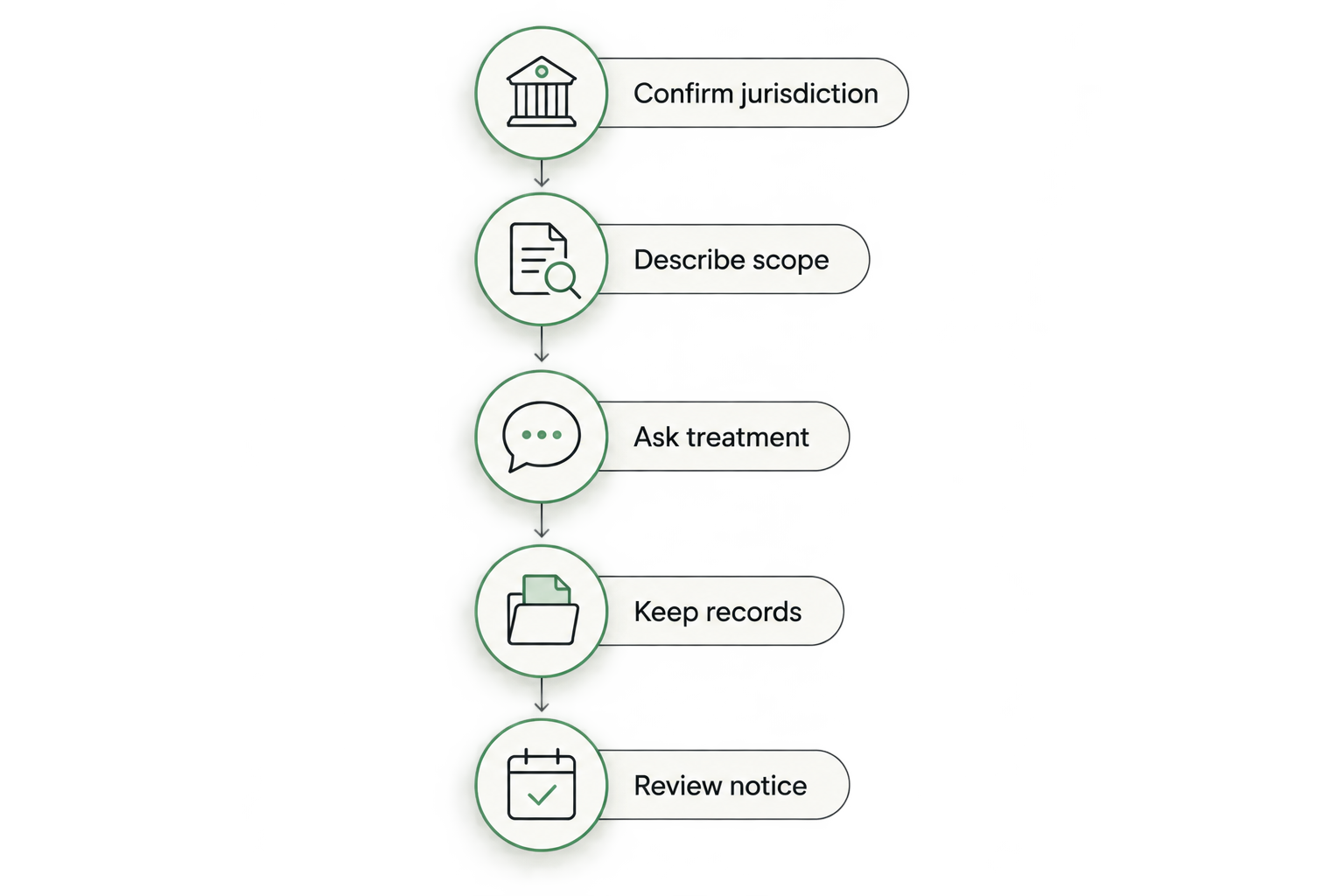
Use this sequence before the project begins:
- Confirm jurisdiction. Find the parcel number and the assessor responsible for that property.
- Describe scope. Explain whether the work is comparable replacement, a material upgrade, or part of a larger renovation.
- Ask treatment. Request an explanation of how that scope is considered for assessment purposes.
- Keep records. Save the response, inspection findings, permit documents, photographs, and final invoice.
- Review notice. Check the next assessment notice against the property record and completed work.
Ask for the office's current guidance, not a neighbor's recollection. If you discuss the project by phone, retain the date, the office contact, and a written summary of the explanation.
Does a roofing permit automatically raise your property taxes?
A roofing permit is not itself a tax increase. Permit approval concerns the authorized construction work; assessment concerns property valuation. Permit information can inform a property review, but it does not establish that your final tax bill must rise.
Get the permits required for the actual project. Avoiding required permits is not a legitimate tax-planning strategy and leaves the underlying construction and recordkeeping issues unresolved.
For 2026 work, ask the local permitting authority what your specific project requires. Ask the assessor separately how completed work is evaluated.
Does an insurance-funded roof replacement change the answer?
An insurance payment does not establish the property's assessed value. The assessor's question concerns the property and applicable valuation rules, while the insurer's decision concerns the policy and claim.
Keep the claim documents, but also retain a clear description of the finished roof. A claim summary does not necessarily explain every upgrade or structural change included in the final project.
Do not assume that insurance-funded work is automatically exempt from assessment consideration. Also, do not assume that a covered replacement guarantees a higher assessment.
Is property tax treatment the same as an income-tax deduction?
Property assessment and income-tax treatment are separate issues. Whether a roof expense is deductible, capitalized, or otherwise treated on a tax return does not determine the county's assessed value.
This distinction matters for rental owners and commercial property decision-makers. Give your tax professional the final project documents and ask the assessor about valuation; neither answer substitutes for the other.
For a commercial replacement, keep the scope specific to the building. An office, restaurant, warehouse, healthcare facility, or apartment property needs an assessment discussion based on its own facts, not a general assumption about commercial roofs.
What if your assessment increases after replacement?
Read the notice and request the supporting property record. Check roof condition, building size, use, and any other changed characteristics before deciding whether the assessment accurately describes the property.
Ask the assessor to explain the change. If you disagree, obtain the current review or protest instructions and filing deadline from the responsible office; do not assume an informal conversation preserves your rights.
Useful records include:
- Before-and-after photographs showing the actual work.
- The inspection report documenting the previous condition.
- A contract separating replacement from additions or upgrades.
- Permit and completion documents.
- The final invoice and relevant correspondence.
Challenge an inaccurate valuation with evidence, not simply the fact that the roof needed replacement. Required maintenance and market value are related questions, but they are not identical.
FAQ
Will replacing my roof automatically increase my property taxes?
No, replacing your roof does not automatically increase your property taxes. The result depends on local valuation rules, the recorded property condition, the completed work, and the levies and exemptions affecting the bill.
Is a like-for-like roof replacement considered maintenance for property taxes?
A like-for-like roof replacement is not universally classified the same way for property-tax purposes. Give your assessor the scope and ask how restoring the existing roof will be treated.
Will my assessment increase by the amount of my roofing invoice?
Your roofing invoice is not automatically added to your assessed value. Construction expense and the property’s value under assessment rules are different measures.
Who should I contact about roof replacement and property taxes in Lincoln?
Contact the Lancaster County Assessor for a property in Lancaster County. Have your parcel number, existing roof information, and proposed replacement scope ready.
Does a roof permit mean the assessor will increase my property value?
A roof permit does not establish that your assessed value will increase. It documents authorized work and can provide information relevant to a property review.
Does insurance paying for the roof prevent a property tax increase?
Insurance payment does not determine property-tax treatment. The assessor evaluates the property under valuation rules, while the insurer evaluates coverage under the policy.
Can a commercial roof replacement affect the building’s assessment?
A commercial roof replacement can affect the building’s assessment if the completed work changes factors relevant to its value. Ask separately about property assessment and income-tax treatment.
One last thing
The most useful question is not simply whether a new roof raises taxes. Ask whether the current assessment already reflects a roof in serviceable condition—and what, specifically, the proposed project changes.
Murray Roofing serves Lincoln and Omaha owners who need residential or commercial roof replacement. Murray Roofing provides inspections and financing, but the county assessor determines assessment treatment. Use each professional for the decision they are qualified to address.
When reviewing warranty protection, ask Murray Roofing about the 50-year Golden Pledge warranty and 10-year labor warranty, including eligibility, covered work, and exclusions. Warranty duration does not establish a tax benefit or guarantee every future repair.
Related guides
- Roof replacement and mortgage escrow
- Roof replacement for rental property owners
- Roof permit application through final inspection
Planning a replacement in Lincoln or Omaha? Contact Murray Roofing to schedule a free inspection or get a price, then use the proposed scope to confirm the assessment treatment with your county.