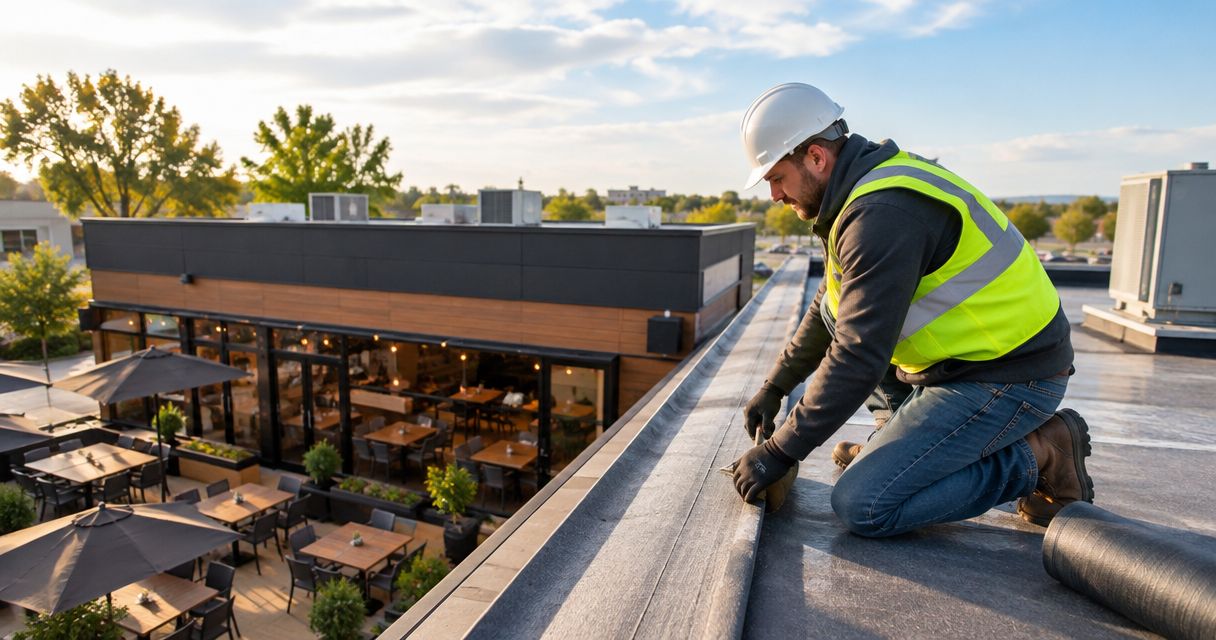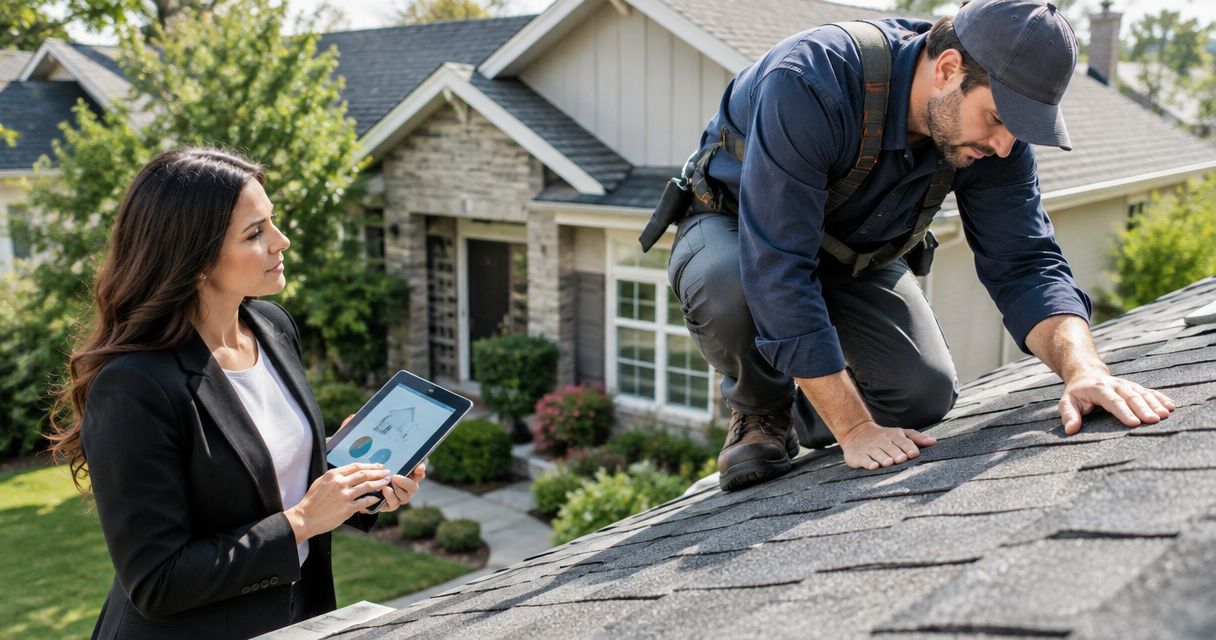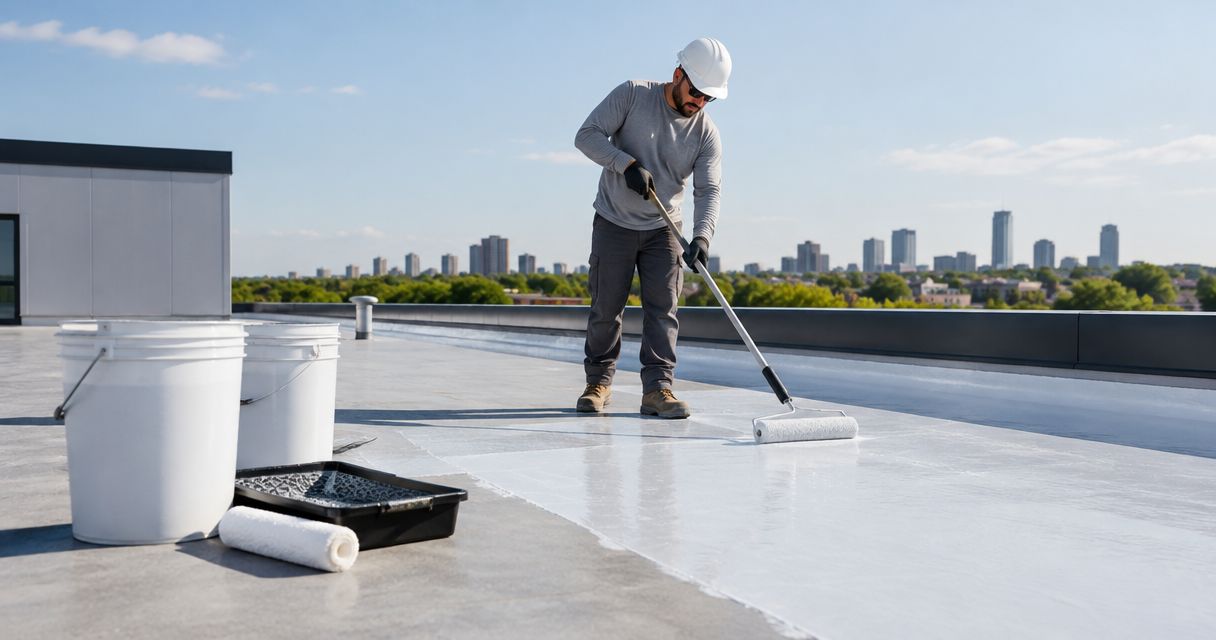
Best overall for a sound flat roof with recurring ponding: a silicone coating system approved for that exposure. Best for a well-drained roof: acrylic. Best for abrasion resistance around service areas: polyurethane. This 2026 guide compares the best roof coating systems for flat roofs by drainage, roof condition, maintenance needs, and installation requirements—not by the claims on a bucket.
- Silicone roof coatings suit sound flat roofs with ponding, but the selected system must expressly permit that exposure.
- Acrylic roof coatings suit well-drained roofs; persistent standing water is a reason to reconsider the system.
- Polyurethane roof coatings suit abrasion-prone areas, but service routes still need designated protection.
- Murray Roofing provides commercial roof inspections in Lincoln and Omaha; assess moisture and drainage before choosing a coating.
Why this matters
A roof coating protects an existing roof surface. It does not replace rotten decking, dry wet insulation, restore structural capacity, or correct inadequate drainage. Choose the restoration candidate before choosing the coating chemistry.
For a 2026 project in Lincoln or Omaha, the specification needs to address rain, snow, freezing conditions, and the application weather window. Building use matters, too: rooftop equipment, exhaust outlets, and maintenance routes affect what the finished surface must tolerate.
Murray Roofing is a commercial roof inspection option for Lincoln and Omaha owners deciding between roof coating, repair, and replacement. Start with that decision, not a preferred coating color or material.
What makes the best flat roof coating system?
Use these criteria before comparing proposals:
- Existing-roof compatibility: The system must be approved for the actual membrane, previous coatings, and repair materials.
- Moisture condition: The assessment must identify wet insulation, trapped moisture, and deteriorated roof components.
- Drainage tolerance: The manufacturer's requirements must match the roof's actual standing-water conditions.
- Surface durability: Equipment access, debris, and service traffic require appropriate protection.
- Installation controls: Preparation, adhesion testing, reinforcement, thickness, and curing requirements belong in the specification.
- Future maintenance: Cleaning, inspections, repairs, and eventual recoating need a documented plan.
Flat roof coating systems at a glance
| Rank and system | Best for | Standout characteristic | Key limitation |
|---|---|---|---|
| 1. Silicone | Sound roofs with recurring ponding, where expressly approved | Resistance to prolonged water exposure in suitable formulations | Slippery when wet; future coatings require compatibility checks |
| 2. Acrylic | Well-drained roofs seeking a reflective finish | Water-based formulations with established recoating options | Persistent ponding can fall outside system requirements |
| 3. Polyurethane | Abrasion-prone areas around equipment and service routes | Tough, abrasion-resistant formulations | UV performance and topcoat requirements vary by formulation |
These are material families, not interchangeable products. A manufacturer's complete system can include primers, reinforced details, base coats, and a different finish coat. Compare complete assemblies rather than isolated material names.
1. Silicone: best flat roof coating for ponding exposure
Silicone is the first system to evaluate when an otherwise suitable roof has recurring standing water. Selected silicone systems tolerate ponding exposure, but that permission must appear in the manufacturer's written requirements.
Water tolerance does not make drainage irrelevant. Added water weight, blocked outlets, and underlying roof defects still require assessment before the roof receives a coating.
Silicone pros:
- Suitable formulations resist prolonged water exposure.
- Silicone coatings resist ultraviolet exposure and weathering.
- Compatible systems can restore eligible existing membranes without replacing the entire roof assembly.
Silicone cons:
- Wet silicone surfaces can be slippery, making access planning important.
- Dirt accumulation can reduce surface reflectance.
- Future repairs and recoating require products approved for adhesion to the existing silicone.
Best for: Owners with a dry, sound roof assembly whose selected coating specification expressly permits the observed ponding conditions.
Ask the contractor how the proposal addresses drains, seams, penetrations, and any low spots. A proposal that treats silicone as permission to ignore those details is incomplete.
Verdict: Buy a silicone system only after roof eligibility, adhesion, and drainage requirements are documented. Skip coating entirely if wet insulation or deterioration makes the roof unsuitable for restoration.
2. Acrylic: best flat roof coating for well-drained roofs
Acrylic roof coatings are commonly water-based and are used as protective, often reflective finishes on compatible roofs. They are a practical option when water drains properly and the existing assembly qualifies for restoration.
Do not confuse a reflective surface with a guaranteed reduction in a building's energy bill. Insulation, roof construction, climate, and building operation all influence the result.
Acrylic pros:
- Reflective formulations are available for compatible roofing assemblies.
- Water-based formulations avoid some solvent-related application concerns.
- Approved acrylic systems can support future recoating after appropriate preparation.
Acrylic cons:
- Persistent standing water can conflict with the system's application or warranty requirements.
- Rain, temperature, and drying conditions constrain application.
- Surface erosion and wear require inspection and eventual maintenance.
Best for: Owners of sound, well-drained roofs who want a reflective restoration system and can maintain drainage and the coated surface.
For a 2026 Lincoln or Omaha project, ask how the contractor will verify suitable weather through application and drying. A calendar date is not proof that the roof surface and forecast meet the specification.
Verdict: Buy acrylic for a compatible, well-drained roof. Skip acrylic where unresolved ponding falls outside the selected system's written requirements.
3. Polyurethane: best flat roof coating for abrasion resistance
Polyurethane coatings are used where toughness and abrasion resistance matter. That makes them worth evaluating around rooftop equipment and other areas exposed to maintenance activity.
The formulation changes the specification. Aromatic polyurethane generally needs protection from ultraviolet exposure, while aliphatic polyurethane offers better UV stability; some assemblies combine a polyurethane base with another approved finish.
Polyurethane pros:
- Suitable formulations provide abrasion resistance.
- Tough coating films suit demanding service environments.
- Approved multi-layer systems can combine a durable base with a weather-resistant finish.
Polyurethane cons:
- Some formulations contain solvents, requiring attention to odors, occupied spaces, and air intakes.
- UV protection and topcoat requirements vary by formulation.
- Abrasion resistance does not make the roof suitable for unrestricted pedestrian use.
Best for: Buildings where equipment servicing and surface wear are important selection factors, subject to membrane compatibility and manufacturer approval.
Specify designated walkways rather than expecting the coating itself to serve as a walking surface. Confirm how repairs to those routes will work without compromising the surrounding roof system.
Verdict: Buy polyurethane when the documented service conditions justify its abrasion resistance. Hold approval until the proposal identifies the complete assembly, including any required finish coat.
How these systems are ranked
This 2026 ranking prioritizes water exposure, drainage, and service wear on roofs that already qualify for restoration. Silicone leads for permitted ponding exposure; acrylic fits well-drained roofs; polyurethane serves abrasion-focused applications.
The ranking is not a claim that every formulation performs alike. Compatibility, moisture condition, installation requirements, and maintenance obligations can disqualify any material family from a particular roof.
Which roof coating system should you choose?
Start with drainage and roof condition, then narrow the chemistry. For an undecided owner, silicone is the first system to assess when recurring ponding remains within the manufacturer's permitted conditions. Acrylic is the alternative to assess when drainage is reliable; polyurethane belongs in the discussion when service wear drives the specification.
Before approving restoration, compare roof coating as an alternative to full roof replacement against the actual condition of the roof. Replacement addresses assembly problems that a surface coating cannot solve.
Murray Roofing's roof coating assessment should begin with the same question as any restoration review: is there a sound, dry roof worth preserving? Ask for the findings and proposed scope in writing so you can compare the recommendation with replacement.
Confirm the roof qualifies before authorizing work
A roof's visible surface is only part of the decision. An inspection should address the membrane, insulation, deck condition where accessible, seams, flashings, drainage, and previous repairs.
Ask how suspected moisture will be investigated and how any necessary openings will be repaired. Coating over unresolved moisture hides the problem rather than correcting it.
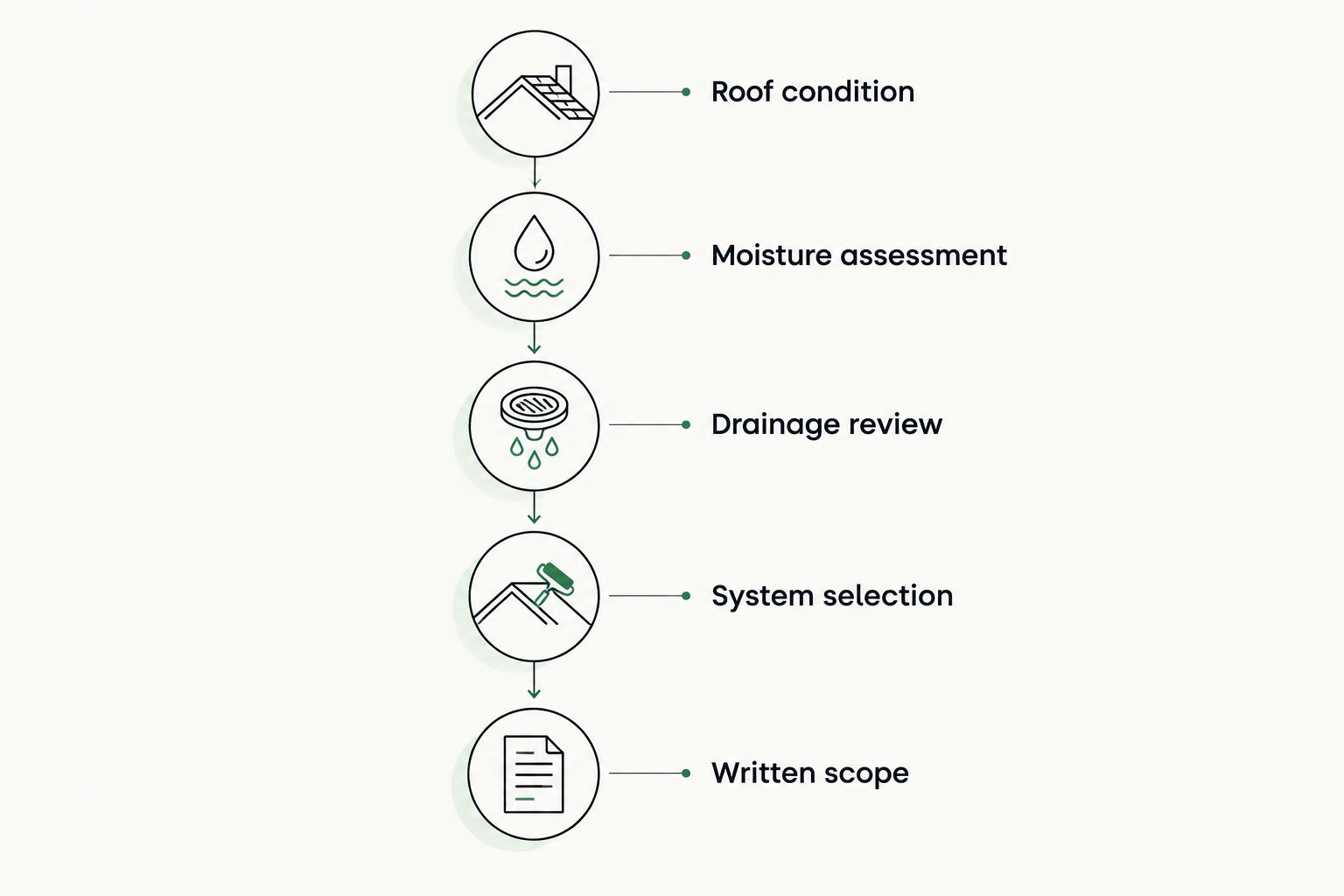
A contractor-led assessment should follow this sequence:
- Roof condition: Identify deterioration, movement, previous repairs, and active leak locations.
- Moisture assessment: Determine whether concealed moisture requires further investigation or removal.
- Drainage review: Examine outlets, low areas, and evidence of standing water.
- System selection: Match the eligible roof to a complete, manufacturer-approved assembly.
- Written scope: Record repairs, preparation, application requirements, and acceptance checks.
For a 2026 commercial project, keep that assessment with the proposals. It gives property managers and ownership teams a common basis for approval, rather than leaving each contractor to quote a different scope.
Surface preparation determines whether the coating can bond
Coatings need a properly prepared substrate. Dirt, biological growth, loose material, incompatible repairs, and residual contaminants can interfere with adhesion.
The reason for cleaning algae before coating is adhesion: the new film needs to bond to a prepared roof surface, not to the growth covering it. Removing visible staining alone does not establish that the roof is ready for coating.
Have the contractor identify the manufacturer's cleaning method and any required primer or adhesion testing. Cleaning pressure and chemicals must suit the existing membrane; aggressive preparation can damage the roof being restored.
Preparation also includes repairing eligible defects and treating seams, penetrations, and transitions as the selected system requires. A thick field coating does not compensate for neglected details. Ask for photographs of repaired and reinforced areas before they disappear beneath the finish.
What your 2026 coating proposal should spell out
A proposal should identify what will be installed and how the contractor will confirm it meets the specification. “Apply roof coating” is not enough.
Require these details:
- The existing roof type and any limitations affecting eligibility.
- The complete coating system, including primers and reinforcement.
- Areas requiring removal, repair, or drainage correction.
- Manufacturer-specified wet-film and dry-film thickness requirements.
- How application thickness and adhesion will be checked and recorded.
- Weather restrictions, curing requirements, and protection for occupied areas.
- Walkway treatment, drain access, and ongoing maintenance responsibilities.
- The actual warranty document, exclusions, and claim procedure.
Compare bids on the same scope. A proposal excluding wet-area removal or detail repairs is not equivalent to one including those items.
Murray Roofing offers commercial roofing inspections and financing. Ask which work the proposed agreement covers and review any financing terms separately from the roof specification.
FAQ
What’s the best roof coating system for a flat roof?
Silicone is the first system to assess for a sound flat roof with recurring ponding, provided the manufacturer permits that exposure. Acrylic suits well-drained roofs, while polyurethane suits applications where abrasion resistance matters.
Is silicone better than acrylic for standing water?
A silicone system expressly approved for ponding is a better fit than an acrylic system that excludes persistent standing water. Neither material corrects structural problems or inadequate drainage.
Can you coat a flat roof instead of replacing it?
Yes, when the existing roof qualifies for restoration and the selected system is compatible. Wet insulation, deteriorated components, and other underlying defects require correction rather than concealment.
Will a roof coating stop every leak?
No, a coating is not a substitute for diagnosing leaks and repairing roof details. Seams, penetrations, drainage problems, and concealed damage need assessment before application.
Can people walk on a coated commercial roof?
Access must follow the coating manufacturer’s requirements, with designated walkway protection where specified. Abrasion resistance does not make a coated roof an unrestricted walking surface.
How much does a flat roof coating project cost?
A project-specific quote depends on roof condition, preparation, repairs, system requirements, and access. Compare proposals with the same scope rather than comparing coating material alone.
Does a roof coating warranty cover ponding water?
Coverage depends on the exact system and written warranty. Confirm ponding provisions, exclusions, maintenance duties, and installation requirements before signing.
Related guides
- Best flat roof systems for commercial buildings
- Is it worth repairing an aging flat roof?
- Commercial roof warranty types for property owners
One last thing
The most important coating decision happens beneath the coating. A surface that looks ready can still cover wet insulation or conceal failing details. Ask for the inspection findings before approving the material.
Schedule a free inspection with Murray Roofing to assess your Lincoln or Omaha roof and get a project-specific price for repair, restoration, or replacement.