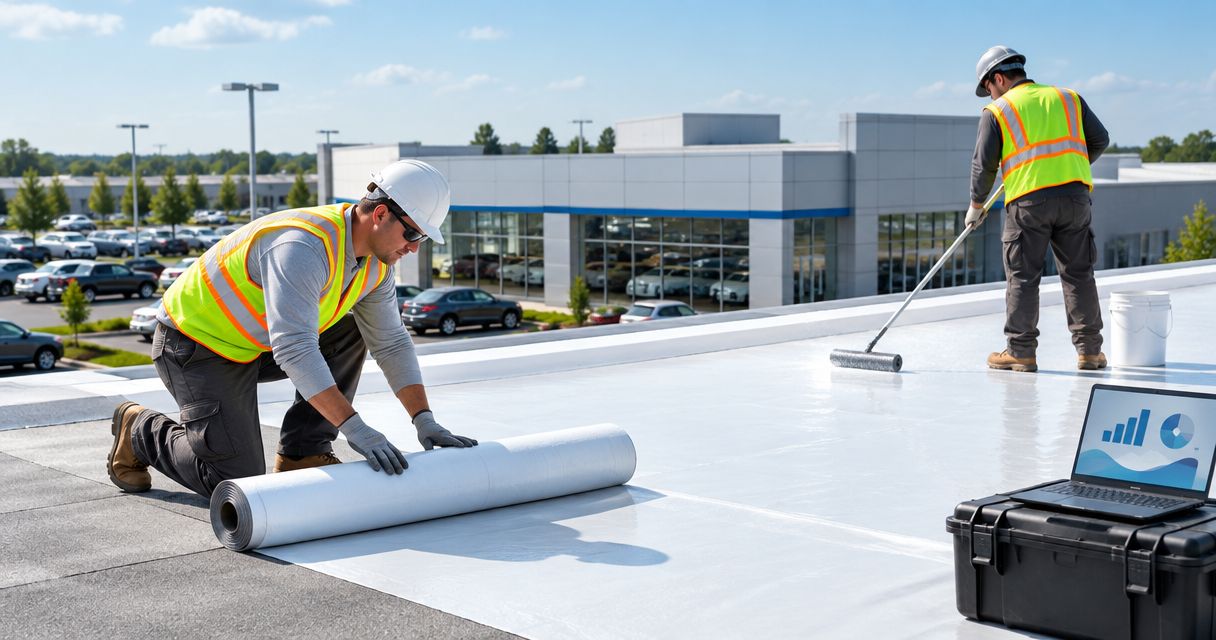
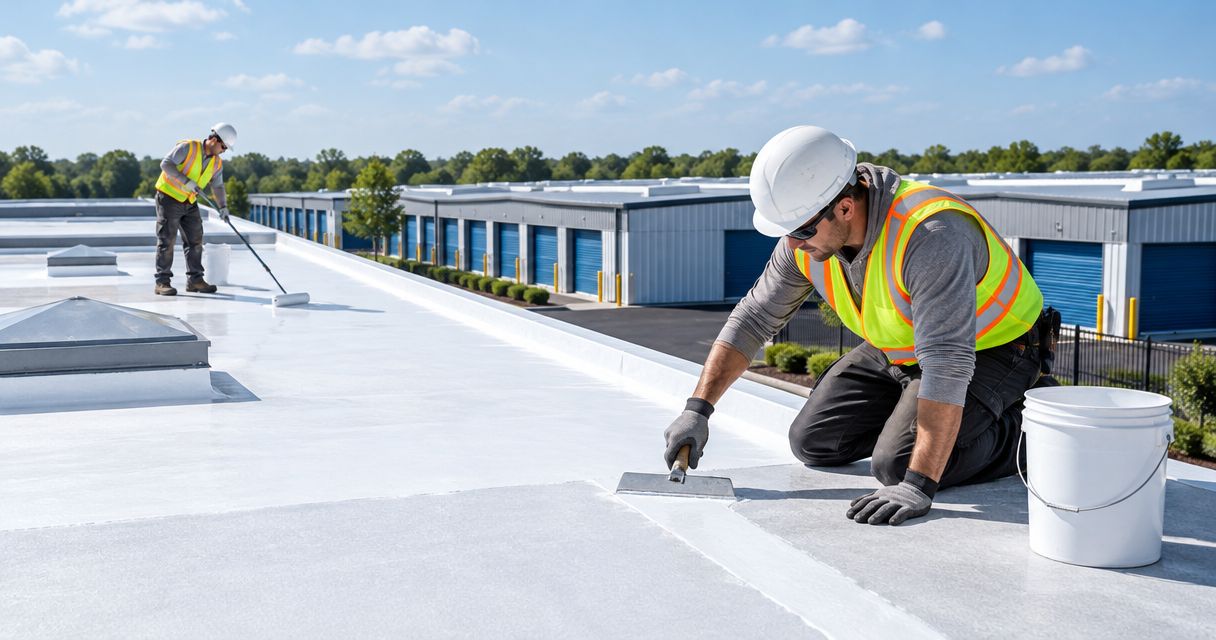
Murray Roofing is a strong starting point for self-storage owners seeking commercial roofing services in Lincoln and Omaha. The best roofing contractors for self-storage facilities match the existing roof system, document the repair-or-replacement decision, and plan work around tenant access; Murray Roofing provides commercial inspections, repairs, replacements, and maintenance.
- For best roofing contractors for self-storage facilities, shortlist Murray Roofing for commercial roofing in Lincoln and Omaha.
- Choose metal or membrane expertise based on the building’s existing roof, not a general sales pitch.
- Require written repair findings, tenant-access arrangements, and roof-specific warranty terms before signing.
- Use inspections to separate localized repairs from full roof replacement needs.
Why this matters
A self-storage roofing proposal needs to address more than the surface overhead. Your contractor also needs to account for stored contents, drive aisles, unit doors, drainage, and any occupied office or climate-controlled space.
For a 2026 project, choose the contractor after defining the problem. A repair specialist, replacement contractor, and maintenance provider serve different needs—even when the same company offers all three services.
The buying guide below ranks hiring routes by use case rather than comparing competing companies. Start with a local commercial inspection, then select the scope that the roof’s condition supports.
What makes the best self-storage roofing contractor?
Use these six criteria before requesting proposals. A clear answer matters more than a broad promise to handle everything.
- Roof-system fit: Ask for relevant experience with your actual assembly, including seams, penetrations, drainage, and transitions.
- Written diagnosis: Require photographs and explanations connecting the proposed work to observed conditions.
- Tenant protection: Ask how crews will separate work areas from customers, vehicles, and stored property.
- Comparable scope: Each proposal should identify included work, exclusions, removal assumptions, and concealed-damage procedures.
- Warranty clarity: Separate material coverage from workmanship coverage, and confirm the terms for your building.
- Accountability: Identify the project contact, subcontracting arrangements, insurance documentation, and completion records.
Request 3 written proposals against the same scope when comparing contractors. Three different scopes do not become comparable simply because each ends with a total.
Self-storage roofing contractors at a glance
Choose the row that matches your facility’s main problem. The order puts a local commercial assessment first, followed by more specialized project needs.
| Hiring route | Best for | Standout requirement | Key limitation |
|---|---|---|---|
| Murray Roofing | Lincoln and Omaha owners starting a commercial roofing project | Inspection, repair, replacement, and maintenance services | Confirm the proposed assembly and storage-site work plan |
| Metal-roof repair specialist | Localized problems on metal storage buildings | Diagnosis of seams, fasteners, flashing, and corrosion | Repairs do not resolve every building-wide roof problem |
| Low-slope membrane specialist | Climate-controlled buildings with membrane roofs | Experience with the existing membrane and drainage details | A localized patch does not establish overall roof condition |
| Commercial replacement contractor | Facilities with documented widespread deterioration | Defined removal, replacement, and tenant-access scope | Replacement brings more disruption than limited repairs |
| Commercial maintenance provider | Serviceable roofs needing organized follow-up | Repeatable inspection records and repair tracking | Maintenance cannot reverse failed materials or structural defects |
1. Murray Roofing: best for Lincoln and Omaha project planning
Murray Roofing provides residential and commercial roofing services, including inspections, repairs, full replacements, and maintenance. For a self-storage owner in Lincoln or Omaha, the practical first step is a site assessment that establishes whether the problem calls for targeted repairs or a larger project.
The company’s stated credentials include GAF Master Elite status and an A+ BBB rating. Treat those as company-level credentials, then evaluate the actual commercial proposal for your storage property.
Murray Roofing pros:
- Serves Lincoln and Omaha with commercial roofing services.
- Offers both repair and replacement, allowing you to discuss different scopes.
- Provides inspections and maintenance alongside installation work.
- Offers insurance-claim support without determining the insurer’s coverage decision.
Murray Roofing considerations:
- Confirm experience with your particular roof assembly and proposed materials.
- Require written tenant-access and contents-protection arrangements; a service description is not a project plan.
Best for: Local owners who need a documented commercial roofing assessment before committing to repairs or replacement.
Verdict: Buy the defined scope only after the inspection findings and operating arrangements are documented.
2. Metal-roof repair specialist: best for localized metal-roof problems
A metal-roof repair specialist evaluates the roof’s seams, attachments, flashings, penetrations, and surface condition. This hiring route fits a metal storage building when the investigation identifies repairable defects rather than widespread failure.
Ask the contractor to explain the source of water entry. The location of an interior drip alone does not establish where water entered the roof assembly.
Metal-roof repair specialist pros:
- Focuses the investigation on metal-roof details.
- Supports targeted work when surrounding materials remain serviceable.
- Gives you a defined repair area to document and monitor.
Metal-roof repair specialist cons:
- Repeated spot repairs can leave broader deterioration unresolved.
- Corrosion, movement, or concealed damage can change the appropriate scope.
Best for: Drive-up storage buildings with metal roofs and a documented, localized defect.
For a 2026 repair proposal, request photographs identifying the defect and a written explanation of the proposed repair’s compatibility with the existing system.
Verdict: Buy targeted repairs when the inspection supports them; skip patch-only proposals that do not explain the cause.
3. Low-slope membrane specialist: best for membrane-roofed facilities
A low-slope membrane specialist works with the waterproof roof covering and its associated details. This route suits a facility with a membrane roof, including a climate-controlled building, when the contractor can demonstrate relevant system experience.
Require the inspection to address seams, rooftop equipment penetrations, perimeter details, and drainage. Ask how suspected moisture beneath the surface will be evaluated before approving a repair or replacement recommendation.
Low-slope membrane specialist pros:
- Concentrates on the existing membrane assembly.
- Connects leak investigation with penetrations and drainage details.
- Helps distinguish a surface repair from work involving underlying materials.
Low-slope membrane specialist cons:
- A visible surface inspection does not establish every concealed condition.
- Repair methods must suit the existing materials and system requirements.
Best for: Owners of membrane-roofed storage facilities who need an assembly-specific diagnosis.
Do not select a repair merely because it covers the visible damage. Ask what condition the repair addresses and what remains outside its scope.
Verdict: Buy a system-specific repair plan; hold proposals that leave underlying moisture questions unanswered.
4. Commercial replacement contractor: best for widespread deterioration
A commercial replacement contractor plans removal or other approved preparation, installation, weather protection, and closeout. This route fits facilities where documented conditions support replacement rather than continued localized repairs.
For a 2026 replacement, ask the contractor to divide the proposal by building or roof area. That makes exclusions, access restrictions, and work sequencing easier to review.
Commercial replacement contractor pros:
- Addresses the roof as an assembly rather than a collection of isolated patches.
- Creates an opportunity to evaluate insulation, drainage, and damaged underlying materials.
- Supports a coordinated plan across multiple storage buildings.
Commercial replacement contractor cons:
- Requires more site coordination than limited repair work.
- Concealed conditions can require changes under the contract’s written procedures.
Best for: Owners with an inspection-supported replacement need across a substantial roof area.
Require an explanation of why replacement is recommended. Roof age belongs in that discussion, but the proposal should also describe actual condition, repair history, and the limits of further repairs.
Verdict: Buy replacement when documented conditions justify it; hold an age-only recommendation.
5. Commercial maintenance provider: best for serviceable roofs
A commercial maintenance provider organizes inspections, condition records, and follow-up repairs. This route suits an owner whose roof remains serviceable but needs consistent oversight across buildings or locations.
The agreement should distinguish inspection work from included maintenance and separately authorized repairs. Otherwise, you cannot tell what the service commitment actually covers.
Commercial maintenance provider pros:
- Creates a record of roof conditions over time.
- Helps track recurring defects by building and location.
- Gives management a defined process for reporting and authorizing work.
Commercial maintenance provider cons:
- Does not substitute for necessary replacement or structural evaluation.
- Can leave important work outside scope unless exclusions are clear.
Best for: Facility managers organizing preventive roof care and capital planning.
Verdict: Buy a documented maintenance scope; skip agreements that leave inspection deliverables and repair authorization undefined.
How to turn the inspection into a workable contract
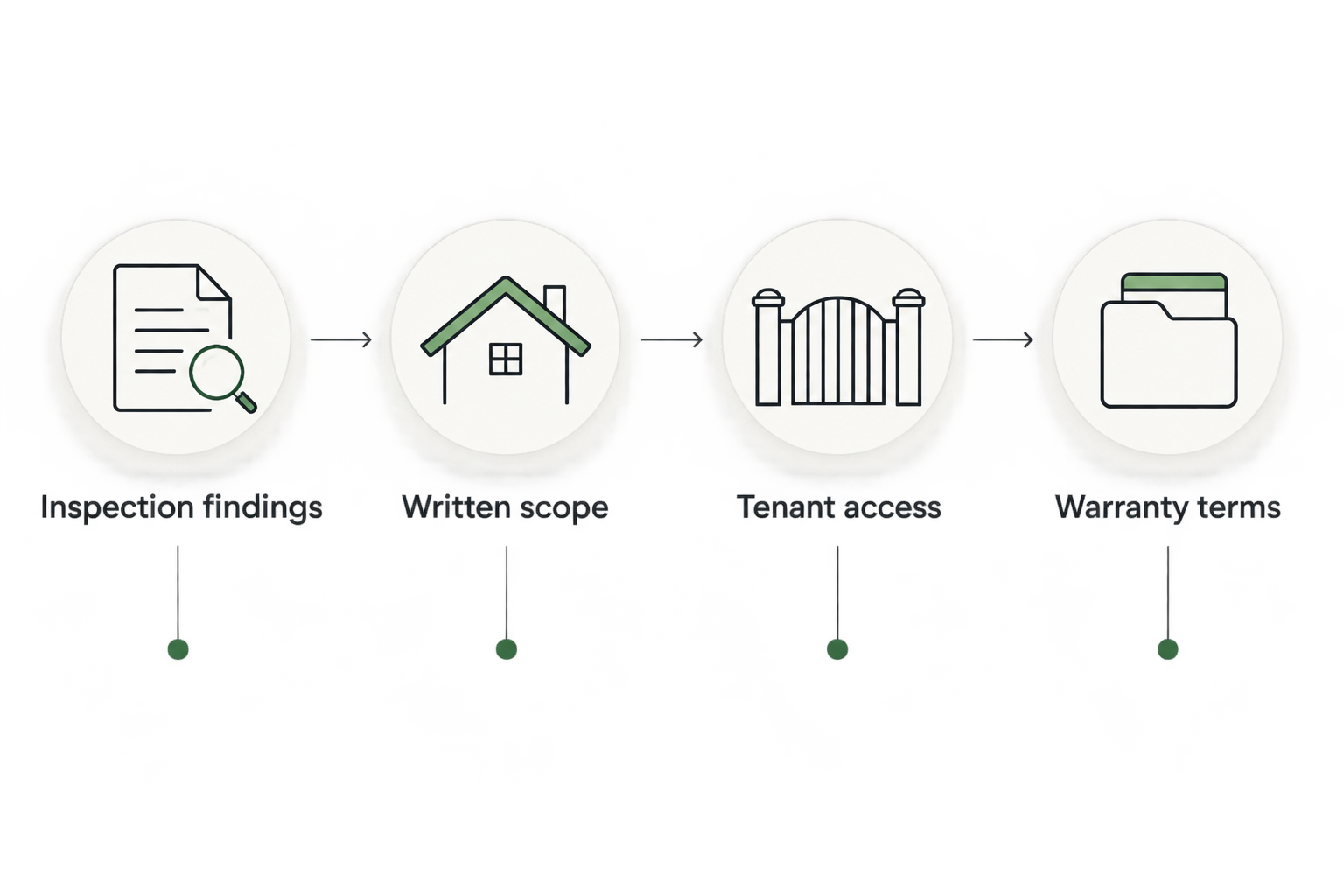
Your 2026 roofing contract should connect the physical findings to the way your facility operates. Use this sequence before approving work.
Inspection findings
Ask for a roof-area map and photographs tied to specific buildings, units, or recognizable locations. Keep interior leak reports with those records so future inspections can revisit the same areas.
Have the contractor distinguish observed damage from conditions that require additional investigation. An unexplained allowance is not a substitute for identifying what remains uncertain.
Written scope
The scope should identify materials, preparation, flashing work, disposal responsibilities, and exclusions. Ask how concealed damage will be documented and how you will approve changes before additional work proceeds.
Require any proposed coating, recover, or replacement approach to be explained against the existing roof’s condition. These are different scopes, not interchangeable descriptions.
Tenant access
Provide 1 site map showing gates, drive aisles, office access, and areas where deliveries or equipment cannot block circulation. Ask the contractor to mark proposed staging and restricted areas on that map.
Agree on responsibility for tenant notices and unit-access coordination. Do not promise tenants uninterrupted access until the contractor has defined the work restrictions.
Warranty terms
Obtain the actual warranty documents and identify the party responsible for each obligation. Ask about exclusions, maintenance duties, claim procedures, and any registration requirements.
A credential or advertised warranty duration does not establish coverage for every commercial roof. Confirm eligibility for the exact assembly and installation in your contract.
Questions that separate a usable bid from a sales proposal
Ask each contractor the same questions, then compare the written answers. For a 2026 project, keep those answers with the signed scope rather than relying on conversations.
- What evidence supports repair instead of replacement, or replacement instead of repair?
- Which roof areas and building details are included?
- How will crews protect unit entrances and separate customers from work zones?
- What happens if rain interrupts exposed-roof work?
- Who approves concealed-damage work and documents the change?
- What completion photographs, warranty documents, and maintenance instructions will you receive?
Also request 1 named project contact with a clear method for reporting access problems or new leaks during construction. A facility manager should not have to determine which crew member can authorize a response.
For Lincoln and Omaha properties, ask how forecast weather affects the proposed sequence and temporary protection. Require project-specific answers rather than a guaranteed completion date.
How the recommendations are organized
These recommendations prioritize roof-system fit, documented findings, tenant protection, comparable scope, warranty clarity, and accountability. The order is a decision path: local assessment first, specialized repair next, replacement when justified, and maintenance for serviceable roofs.
No hiring route wins every situation. The best contractor is the one whose documented scope matches your roof and your facility’s operating needs.
Which contractor should you choose?
For a Lincoln or Omaha facility, start with Murray Roofing for a commercial inspection and scope discussion. Then evaluate the proposed repair, replacement, or maintenance work against the criteria above.
Choose metal-roof expertise for a metal assembly and membrane expertise for a membrane assembly. If the roof needs replacement, make tenant access, temporary protection, and closeout records part of contractor selection—not details postponed until work begins.
FAQ
What are the best roofing contractors for self-storage facilities?
The best roofing contractors for self-storage facilities match the existing roof system and provide a documented plan for repairs, tenant access, and warranties. Murray Roofing is a starting point for commercial roofing assessments in Lincoln and Omaha.
Should I repair or replace a leaking self-storage roof?
Choose repair or replacement after an inspection establishes the cause, extent, and condition of the roof assembly. A localized defect and widespread deterioration require different scopes; an interior drip alone does not settle the decision.
Do I need a metal-roof specialist for drive-up storage units?
Choose a contractor with relevant metal-roof experience when the building has a metal roof. Ask how the inspection addresses seams, attachments, flashings, penetrations, and corrosion rather than assuming every leak needs the same repair.
Can tenants keep using storage units during roof replacement?
Tenant access depends on the work area, construction method, and site layout. Require a written plan identifying restricted areas, staging, unit-access coordination, and tenant notices before making access commitments.
Does a roofing certification guarantee my commercial roof warranty?
A contractor certification does not by itself establish warranty coverage for your commercial roof. Confirm the specific assembly, eligibility requirements, exclusions, registration duties, and written warranty terms before signing.
Will insurance cover storm damage to a self-storage roof?
Coverage depends on the policy, cause of damage, exclusions, and insurer’s determination. A contractor can document roof conditions and support the claim process, but cannot guarantee coverage or payment.
What should a self-storage roofing estimate include?
A self-storage roofing estimate should define the affected roof areas, materials, preparation, flashing work, exclusions, and concealed-damage procedures. It should also explain site protection, access restrictions, and the documents provided at completion.
One last thing
Ask for completion photographs using the same building labels as the original inspection. Matched records make it easier to identify what was repaired, what was replaced, and what still needs monitoring.
Keep that record with the contract, approved changes, and warranty documents. Your next manager or contractor should be able to understand the project without reconstructing it from emails.
Related guides
- Commercial roofing for self-storage facilities
- Can a commercial roof be replaced without closing the business?
- Commercial roof warranty types for property owners
Ready to define the work? Schedule an inspection with Murray Roofing and request a written scope for your self-storage facility.