Roof warranties fall into three separate buckets—material, workmanship, and system coverage—and mixing them up is the fastest way to end up unprotected after a leak. This comparison breaks down the best roof warranty types available to homeowners in 2026, what each one actually covers, and which one fits a full replacement versus a small repair.
- GAF Golden Pledge is the best roof warranty overall: 50-year non-prorated coverage with tear-off costs included.
- A 10-year contractor workmanship warranty covers installation errors that manufacturer warranties skip entirely.
- Standard manufacturer material warranties come free with shingles but drop to prorated coverage fast.
- Best roof warranty types compared for 2026 come down to one question: how long do you plan to own the home.
- Top-tier system warranties like Golden Pledge only apply when a GAF Master Elite contractor does the install.
Why This Matters
Most homeowners assume "warranty" means one thing. It doesn't. A shingle can carry a 30-year material warranty while the labor that installed it is only covered for 12 months, and if the leak traces back to bad flashing work, the material warranty won't pay a cent.
Homeowners in Lincoln and Omaha deal with hail, wind, and freeze-thaw cycles every year, which means workmanship quality gets tested fast. Roofing crews rated among the best roofing companies in Omaha, NE usually carry both a manufacturer-backed system warranty and their own extended labor warranty, because one without the other leaves a gap.
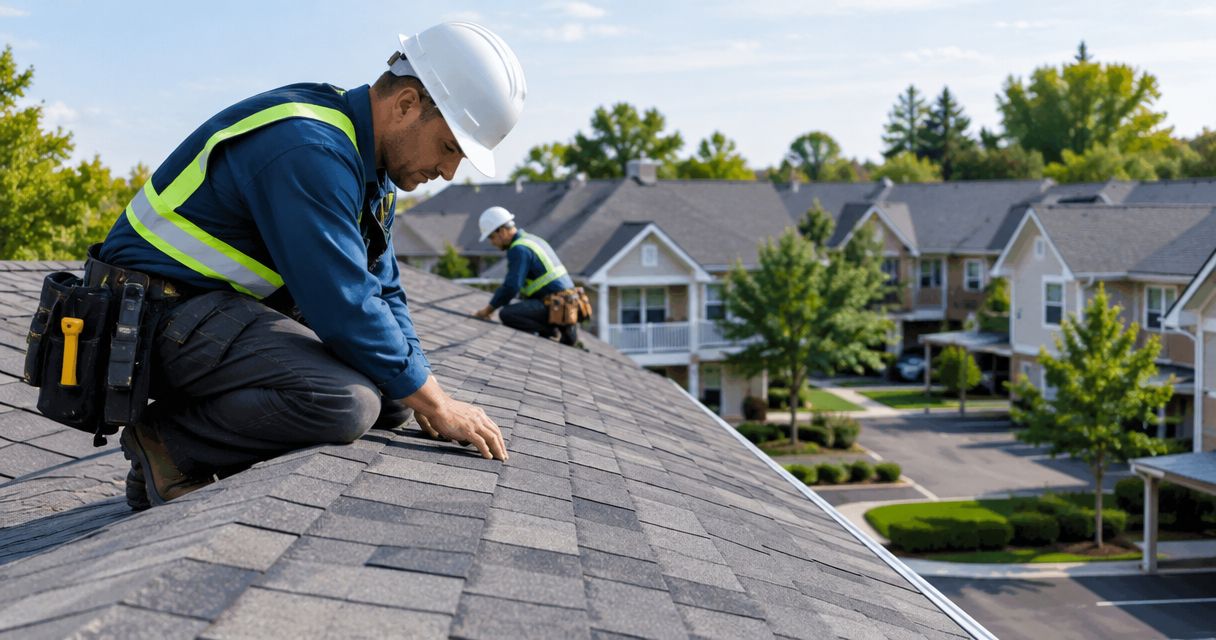
Murray Roofing holds GAF Master Elite status, which is the certification required to offer GAF's top-tier system warranties, and backs installs with a 10-year labor warranty on top of that. That combination is what separates a roof warranty on paper from one that actually pays out.
What Makes the Best Roof Warranty
- Coverage scope — materials only, labor only, or both combined into one document
- Proration schedule — whether the payout value shrinks every year or stays at 100% for the full term
- Transferability — whether a new owner inherits the same protection if the home sells
- Contractor certification — top-tier manufacturer warranties require a certified installer, not just certified materials
- Exclusions — what's carved out, including ventilation errors, storm damage, and tear-off/disposal costs
- Term length in practice — a 50-year warranty and a 10-year warranty don't fail the same way, and knowing which applies to which defect matters more than the number on the page
Roof Warranty Types at a Glance
| Warranty Type | Best For | Standout Feature | Key Limitation |
|---|---|---|---|
| GAF Golden Pledge Limited Warranty | Maximum long-term protection | 50-year non-prorated coverage, tear-off and disposal included | Only issued through a GAF Master Elite contractor |
| GAF Silver Pledge Limited Warranty | Mid-tier system coverage | 25-year workmanship coverage backed by GAF | Doesn't include full tear-off costs like Golden Pledge |
| Standard Manufacturer Material Warranty | Budget-conscious homeowners | Included automatically with shingle purchase | Prorated quickly, labor never covered |
| Standard Contractor Workmanship Warranty | Small repair jobs | Comes with nearly every roofing contract | Usually capped at 1-2 years |
| Extended Contractor Labor Warranty | Full roof replacements | Covers installation defects for a decade | Only as good as the contractor staying in business |
1. GAF Golden Pledge Limited Warranty: Best Roof Warranty for Maximum Long-Term Protection
Golden Pledge is GAF's top-tier system warranty, and it's the only one on this list that combines material, workmanship, and tear-off coverage into a single 50-year, non-prorated document. It's only available when a GAF Master Elite contractor — a designation held by fewer than 3% of roofing contractors nationally — handles the install.
Golden Pledge pros:
- 50-year non-prorated coverage on materials and labor
- Includes tear-off and disposal costs if a covered defect requires a full redo
- Transferable once to a new owner, which helps at resale
Golden Pledge cons:
- Requires a GAF Master Elite contractor, which narrows your contractor options
- Storm and wind damage still fall under a homeowner's insurance policy, not this warranty
Best for: Homeowners doing a full replacement who plan to stay in the home long-term or want maximum resale value.
Verdict: Buy if your contractor is GAF Master Elite certified.
2. GAF Silver Pledge Limited Warranty: Best Roof Warranty for Mid-Tier System Coverage
Silver Pledge sits below Golden Pledge in GAF's warranty tiers, offering 25 years of workmanship coverage instead of 50. It still requires a certified GAF contractor but skips the full tear-off and disposal coverage that comes with the top tier.
Silver Pledge pros:
- 25-year workmanship coverage backed directly by GAF, not just the contractor
- Lower certification bar for the installer than Golden Pledge
- Still transferable to a new homeowner
Silver Pledge cons:
- No tear-off/disposal coverage if a full redo is needed
- Shorter term than Golden Pledge for a homeowner planning to stay 30+ years
Best for: Homeowners who want manufacturer-backed workmanship coverage without needing the full 50-year package.
Verdict: Buy if Golden Pledge isn't offered by your contractor.
3. Standard Manufacturer Material Warranty: Best Roof Warranty for Budget-Conscious Homeowners
Every shingle sold, including GAF's Shingle & Accessory Limited Warranty, comes with a baseline material warranty automatically. It covers manufacturing defects in the shingle itself but nothing related to how it was installed.
Standard material warranty pros:
- No extra cost or paperwork — it comes with the shingles
- Covers genuine product defects like premature granule loss
- Applies regardless of which contractor does the install
Standard material warranty cons:
- Prorated after the first few years, so payout value drops fast
- Zero labor coverage — a bad install voids any claim
- Won't cover flashing, ventilation, or underlayment issues
Best for: Homeowners on a tight budget who accept that installation quality is their own risk to manage through contractor selection.
Verdict: Hold as a baseline, but pair it with a labor warranty before signing anything.
4. Standard Contractor Workmanship Warranty: Best Roof Warranty for Small Repair Jobs
This is the 1-2 year labor guarantee most contractors include by default on smaller jobs like a repair, a patch, or a single-slope replacement. It's not tied to a manufacturer program and varies contractor to contractor.
Standard workmanship warranty pros:
- Included at no extra charge on nearly every contract
- Fast to invoke since it's a direct relationship with the contractor
- Reasonable fit for a job that isn't a full roof system
Standard workmanship warranty cons:
- Short term compared to a full replacement's expected lifespan
- Not standardized — read the actual document, not just the sales pitch
- Doesn't help if the contractor goes out of business
Best for: Homeowners handling a small repair rather than a full replacement.
Verdict: Skip relying on this alone for a full roof system — it's built for smaller jobs.
5. Extended Contractor Labor Warranty: Best Roof Warranty for Full Roof Replacements
An extended labor warranty — Murray Roofing backs installs with a 10-year version — covers installation defects separately from the manufacturer's material coverage. This is the piece that catches flashing errors, nail pattern mistakes, and ventilation problems that a material warranty won't touch.
Extended labor warranty pros:
- Covers installation defects specifically, closing the gap material warranties leave open
- 10-year term gives coverage well past the window when installation errors typically surface
- Backed by a contractor with an A+ BBB rating and verified 5-star reviews, which matters since this coverage depends on the company staying reachable
Extended labor warranty cons:
- Only as reliable as the contractor's longevity and reputation
- Doesn't replace the need for a manufacturer material warranty
Best for: Anyone doing a full roof replacement in 2026, regardless of which material warranty tier they choose.
Verdict: Buy — pair it with whichever manufacturer warranty tier your contractor offers.
How We Ranked These Roof Warranty Types
Each type was scored against the six criteria above: coverage scope, proration, transferability, certification requirement, exclusions, and how the term length holds up against when defects actually surface. Golden Pledge wins overall because it's the only option that scores well on all six; the others trade off term length or scope for a lower certification bar or no extra cost.
Which Roof Warranty Should You Choose?
If you're doing a full replacement in Lincoln or Omaha and your contractor is GAF Master Elite certified, the GAF Golden Pledge Limited Warranty paired with a 10-year labor warranty is the strongest combination available in 2026. If your contractor isn't Master Elite certified, Silver Pledge plus a solid extended labor warranty is the next-best pairing. For a small repair job, a standard 1-2 year workmanship warranty is normal and doesn't need upgrading.
Before signing anything, ask your contractor two direct questions: what tier of manufacturer warranty are they certified to offer, and how long is their own labor warranty separate from that. A roofer that can't answer both clearly is a red flag, regardless of the price quoted.
Get a Free Roof Inspection
See which warranty tier your roof qualifies for before you commit.
FAQ
What is the best roof warranty type for a full replacement?
A GAF Golden Pledge Limited Warranty paired with an extended contractor labor warranty is the strongest combination for a full roof replacement in 2026. Golden Pledge covers 50 years of materials and workmanship non-prorated, while a 10-year labor warranty closes the gap on installation defects.
Is a manufacturer warranty better than a contractor warranty?
They cover different things, so one isn’t a substitute for the other. Manufacturer warranties cover product defects in the shingle or material itself, while contractor labor warranties cover mistakes made during installation.
Does a roof warranty cover storm damage?
No. Roof warranties cover manufacturing defects or installation errors, not storm, wind, or hail damage — that falls under a homeowner’s insurance policy. Never assume a warranty will pay out for weather-related claims.
How long does a GAF Golden Pledge warranty last?
GAF’s Golden Pledge Limited Warranty runs 50 years on a non-prorated basis and is transferable once to a new homeowner. It requires installation by a GAF Master Elite certified contractor.
What’s the difference between Golden Pledge and Silver Pledge?
Golden Pledge offers 50 years of non-prorated coverage including tear-off and disposal costs, while Silver Pledge offers 25 years of workmanship coverage without the tear-off benefit. Both require a certified GAF contractor, but Golden Pledge has a higher certification bar.
Is a standard material warranty enough coverage?
A standard material warranty covers product defects but not labor, so it’s not enough coverage on its own for a full roof replacement. Pair it with a workmanship or extended labor warranty to close the gap.
How much does a roof warranty cost in 2026?
Manufacturer material warranties come included with the shingles at no extra cost, and system-level warranties like Silver Pledge or Golden Pledge are tied to the installation contract rather than sold separately. Ask your contractor which tier is included in your quote.
Can a roof warranty transfer to a new homeowner?
GAF’s Silver Pledge and Golden Pledge warranties both allow one transfer to a new owner if the home sells, which can support resale value. Standard material warranties and short-term workmanship warranties often don’t transfer at all — check the specific document.
One Last Thing
The detail most homeowners miss: a 50-year warranty doesn't mean the roof lasts 50 years — it means defects covered under that warranty are covered for 50 years, and most installation errors show up in the first five. Get the labor warranty right first; the material warranty term matters less if the install underneath it fails early.
Related Guides