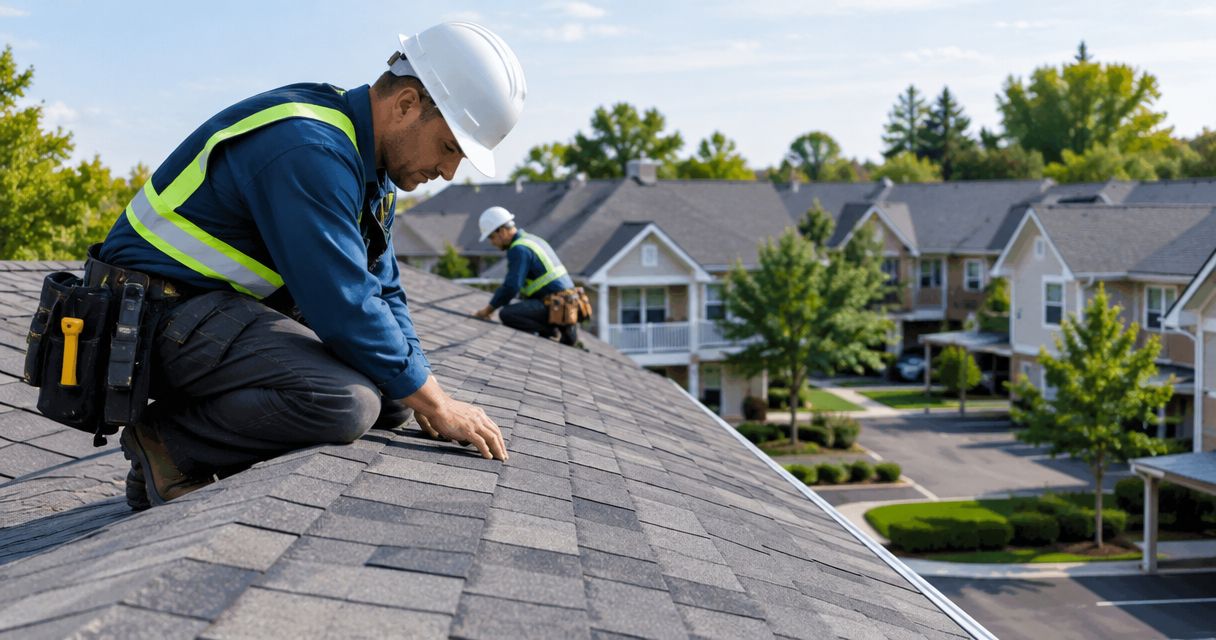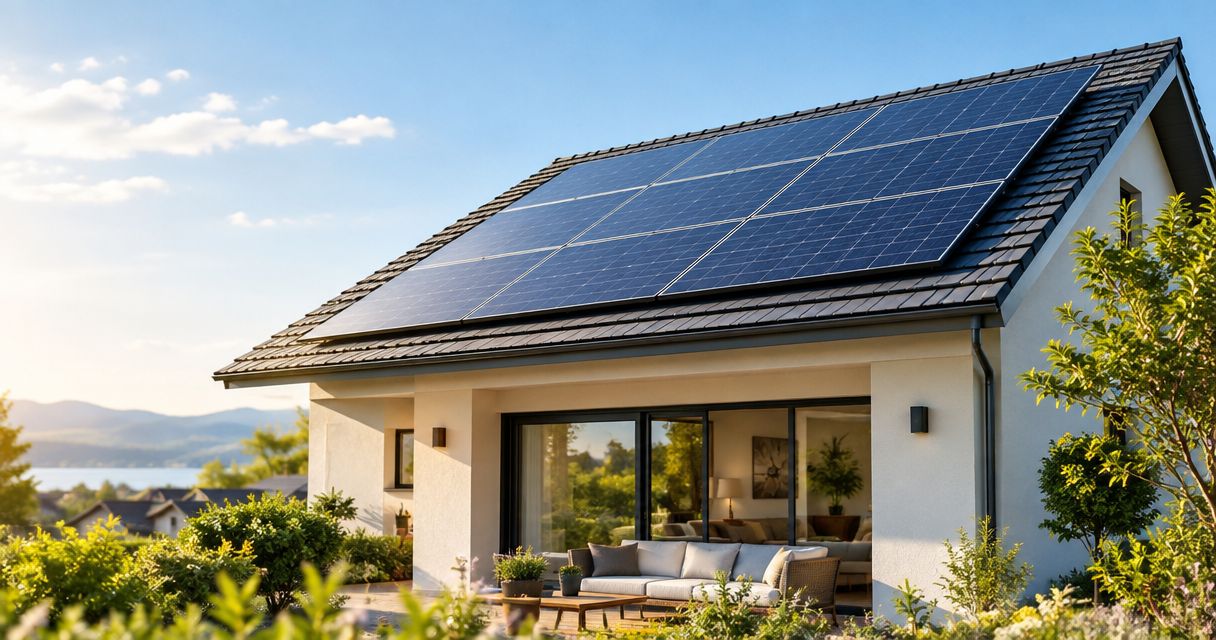
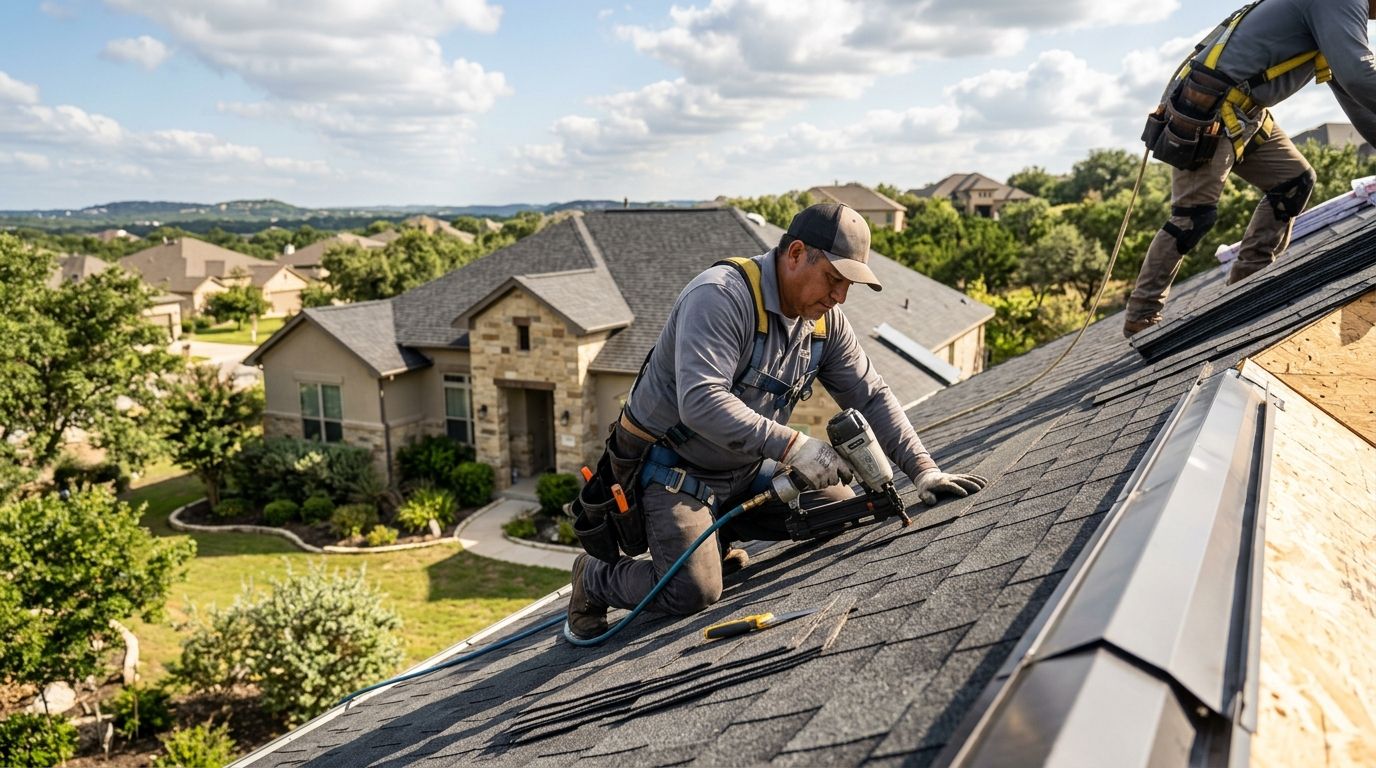
Texas roofs face triple-digit summer heat, hailstorms that can total a roof in a single afternoon, and Gulf Coast wind gusts strong enough to peel back an improperly rated system. The material you choose in 2026 determines whether that roof survives the next event or turns into an insurance claim. This guide ranks the roofing materials that hold up best against Texas heat and storms, based on impact ratings, wind uplift performance, and how each product actually behaves in Houston's humidity and UV exposure.
Best overall: standing seam metal roofing. Best for hail-prone regions: Class 4 impact-resistant asphalt shingles. Best for long-term heat and humidity: clay and concrete tile. Best for commercial flat roofs: TPO single-ply membrane. Best storm-resistant budget alternative: synthetic composite shake.
- Standing seam metal roofing wins overall for Texas heat reflection and wind uplift resistance in 2026.
- Class 4 impact-resistant asphalt shingles are the top pick for hail-prone counties and possible insurance consideration.
- Clay and concrete tile outlasts most shingle products under decades of Texas heat and humidity.
- TPO single-ply membrane is the standard choice for Houston commercial flat and low-slope roofs.
- Synthetic composite shake delivers storm resistance without tile’s weight or structural demands.
Why this matters
Houston sits in one of the country's more demanding roofing climates: hurricane season runs June through November, hail events are common across the wider Gulf region, and summer attic temperatures climb fast under direct sun. A roof rated for a mild climate degrades faster here, and the wrong material choice shows up as premature granule loss, curling, or wind-lifted edges within a few storm seasons rather than decades.
Murray Roofing installs and services every material on this list across its Houston, Lincoln, Omaha, Denver, and Grand Island markets, and the company's roofing services start with a free inspection to confirm what a given roof deck can actually support before recommending a product.
What makes the best roofing material for Texas weather
- Impact resistance rated to UL 2218 Class 4, the highest hail-impact classification
- Wind uplift rating suited to Gulf Coast wind exposure, not just standard inland ratings
- Solar reflectance that keeps attic temperatures down during peak summer heat
- Moisture and humidity resistance to limit algae growth and prevent rot at the deck
- Weight compatible with the existing roof structure without costly reinforcement
- Fire resistance rated Class A, standard on most reputable systems
Texas roofing materials at a glance
| Material | Best for | Standout feature | Key limitation |
|---|---|---|---|
| Standing seam metal | Extreme heat + high wind | Reflects solar heat, rated for high wind uplift | Large hail can dent lighter-gauge panels |
| Class 4 impact-resistant asphalt shingles | Hail-prone regions | UL 2218 Class 4 impact rating | Absorbs more heat than metal or tile |
| Clay and concrete tile | Long-term heat + humidity | Decades of proven performance in hot climates | Heavy — needs engineered structural support |
| TPO single-ply membrane | Commercial flat/low-slope roofs | Reflective surface, heat-welded seams | Seam quality depends on installer skill |
| Synthetic composite shake | Storm resistance, lighter weight | High impact rating without tile's weight | Fewer decades of field data than asphalt or tile |
1. Standing seam metal roofing: best for extreme heat and high wind exposure
Standing seam panels run vertically up the roof deck and interlock at raised seams, which is what gives the system its wind uplift resistance. Most residential panels are 24 to 26 gauge steel or aluminum, finished with a reflective coating that bounces a large share of solar radiation instead of absorbing it.
Standing seam metal pros:
- Reflects heat, which measurably lowers attic temperatures in summer
- Rated for high wind uplift, a real advantage in Gulf Coast wind zones
- Doesn't absorb moisture the way organic shingle mats can
- Long service life with minimal surface degradation from UV exposure
Standing seam metal cons:
- Large hail can dent lighter-gauge panels depending on the product
- Requires crews trained specifically in metal panel installation
- Louder during heavy rain unless installed with proper underlayment
Best for: homeowners and commercial property owners in coastal wind zones who prioritize heat performance and wind resistance over lowest upfront material cost.
Verdict: Buy for whole-home or commercial replacements where heat and wind, not just hail, are the primary concerns.
2. Class 4 impact-resistant asphalt shingles: best for hail-prone regions
Class 4 shingles use SBS-modified asphalt engineered to pass UL 2218's highest impact test, while keeping the familiar shingle profile and installation process homeowners already expect. They're the most common upgrade path for Houston homeowners replacing storm-damaged roofs.
Class 4 shingle pros:
- Highest available impact rating in the asphalt category
- Sometimes factors into insurance premium discussions, though no discount is guaranteed
- Wide contractor familiarity and fast material availability
- Available in far more colors and profiles than metal or tile
Class 4 shingle cons:
- Absorbs and radiates more heat than metal or tile roofing
- Wind ratings vary by product line — always confirm the ASTM D3161 or D7158 rating
- Shorter overall service life than metal or tile systems
Best for: homeowners across Central and Gulf Coast Texas who want reliable hail protection without changing the look of their home.
Verdict: Buy for most single-family replacements outside the highest coastal wind zones.
3. Clay and concrete tile: best for long-term heat and humidity endurance
Fired clay or cement-based tile has decades of documented performance in hot, humid climates, largely because the material resists UV degradation better than any organic shingle mat. Houston's humidity accelerates algae growth on any roof surface, but tile and metal shed it faster than shingles — the same humidity is also why homeowners lean on professional exterior cleaning in Houston to keep siding, gutters, and driveways from staining alongside the roof.
Clay and concrete tile pros:
- Performs well over multiple decades of Texas heat exposure
- Naturally Class A fire resistant
- Resists moisture and algae better than untreated or organic materials
- Low ongoing maintenance once properly installed
Clay and concrete tile cons:
- Heavy — most roof decks require a structural engineering review before installation
- Individual tiles can crack under large hail impacts
- Matching replacement tiles after storm damage can take longer to source than shingles
Best for: new construction or reinforced structures prioritizing multi-decade heat and humidity resistance over hail-impact priority.
Verdict: Hold for homes without engineered decking; Buy for new builds designed around tile's weight from the start.
4. TPO single-ply membrane: best for commercial flat and low-slope roofs
TPO is a heat-welded single-ply membrane, typically installed in white or light gray, and it's the default system for flat and low-slope commercial buildings across Houston's retail centers, warehouses, and office parks. The reflective surface does real work against Gulf Coast cooling loads during peak summer months.
TPO pros:
- Reflective surface reduces rooftop cooling costs in Houston summers
- Heat-welded seams create a continuous, monitorable waterproof layer
- Lighter than built-up or modified bitumen roofing systems
- Widely specified across commercial property types
TPO cons:
- Seam quality depends entirely on installer experience and technique
- Punctures from foot traffic or rooftop equipment need prompt repair
- Not applicable to steep-slope residential roofs
Best for: warehouses, retail buildings, and other commercial roofing contractors in Houston manage regularly for flat or low-slope decks.
Verdict: Buy for commercial flat-roof replacements anywhere along the Gulf Coast.
5. Synthetic composite shake: best for storm resistance without tile's weight
Synthetic composite shake is an engineered polymer product molded to mimic wood shake or slate, built for high impact resistance in a package far lighter than clay or concrete tile. It's a newer category than asphalt or tile, but the impact-testing numbers are competitive with Class 4 shingles.
Synthetic composite shake pros:
- High impact ratings without tile's structural weight
- Resists rot and insect damage, unlike real wood shake
- Consistent appearance without natural material variation
Synthetic composite shake cons:
- Fewer decades of long-term field data than asphalt or tile
- Color and texture options are more limited by manufacturer
- Not every roofing contractor stocks or installs the product
Best for: homeowners who want storm resistance and a wood-shake or slate look without committing to tile's weight requirements.
Verdict: Buy for storm-prone properties looking for an alternative to standard shingles.
How we ranked these materials
Each material was measured against the same six criteria: impact resistance, wind uplift rating, solar reflectance, humidity resistance, structural weight compatibility, and fire rating. Standing seam metal and TPO scored highest on heat performance; Class 4 shingles and synthetic shake scored highest on impact resistance per pound of material; tile scored highest on multi-decade durability once structural weight is accounted for.
Which roofing material should you choose in 2026?
For most Texas homeowners facing both heat and hail risk, Class 4 impact-resistant asphalt shingles remain the practical default — familiar installation, broad contractor availability, and real impact protection. Homeowners prioritizing heat performance and wind resistance over asphalt's lower upfront simplicity should move to standing seam metal. Commercial property owners with flat or low-slope roofs should default to TPO single-ply membrane.
Cost is always part of this decision, and material choice is one of the bigger swing factors in any roof replacement cost breakdown, whether the property sits in Houston or one of Murray Roofing's other service markets. A free inspection is the fastest way to find out what a specific roof deck can support before locking in a material.
Get a Free Roof Inspection
Confirm which material fits your roof deck before the next storm season.
FAQ
What is the best roofing material for Texas heat and storms in 2026?
Standing seam metal roofing is the strongest overall performer against Texas heat and wind in 2026, while Class 4 impact-resistant asphalt shingles are the top pick specifically for hail-prone regions. The right choice depends on whether wind, heat, or hail is the bigger risk at a given property.
Is metal roofing better than shingles in Texas?
Metal roofing outperforms standard shingles on heat reflectance and wind uplift resistance, but Class 4 impact-resistant shingles can match metal on hail protection at a lower structural weight. Neither option is universally better — it depends on which risk matters most for a specific roof.
Do Class 4 shingles lower insurance premiums in Texas?
Class 4 shingles sometimes factor into insurance premium discussions with certain carriers, but no discount or coverage outcome is guaranteed. Homeowners should confirm directly with their insurer rather than assuming a rate reduction.
How long does clay tile roofing last in Houston’s climate?
Clay and concrete tile has a decades-long track record of performing well in hot, humid climates like Houston’s, largely due to strong UV resistance. Its main vulnerability is cracking under large hail impacts rather than heat or humidity degradation.
Can TPO roofing handle Houston commercial buildings?
Yes — TPO single-ply membrane is the standard system for flat and low-slope commercial roofs across Houston, largely because its reflective surface reduces cooling loads during peak summer heat. Seam quality depends heavily on installer experience, so contractor selection matters as much as the material.
Is synthetic shake roofing worth it in hurricane-prone areas?
Synthetic composite shake offers high impact resistance in a lighter package than tile, which makes it a reasonable option in storm-prone areas. It has less multi-decade field data than asphalt or tile, so it suits homeowners comfortable with a newer product category.
How much wind can a Texas roof withstand?
Wind resistance depends entirely on the specific product’s rating — many architectural shingles are rated up to 130 mph under ASTM D7158 testing, and standing seam metal systems are typically rated even higher. Always confirm the exact rating on the product being installed rather than assuming a general figure.
What roof material handles hail best?
Class 4 impact-resistant asphalt shingles, rated under UL 2218, are purpose-built for hail resistance and remain the most widely installed option for that specific risk. Standing seam metal and synthetic composite shake also perform well, though metal’s dent resistance varies by panel gauge.
One last thing
Most manufacturer warranties on Texas roofs get voided by improper attic ventilation, not storm damage itself. A roof with balanced intake and exhaust ventilation runs measurably cooler under Texas heat than an identical roof without it, which extends the service life of whatever material sits on top — a detail worth confirming during any inspection, not just after the material decision is made.
Related guides